Melting Monoliths: Tilia
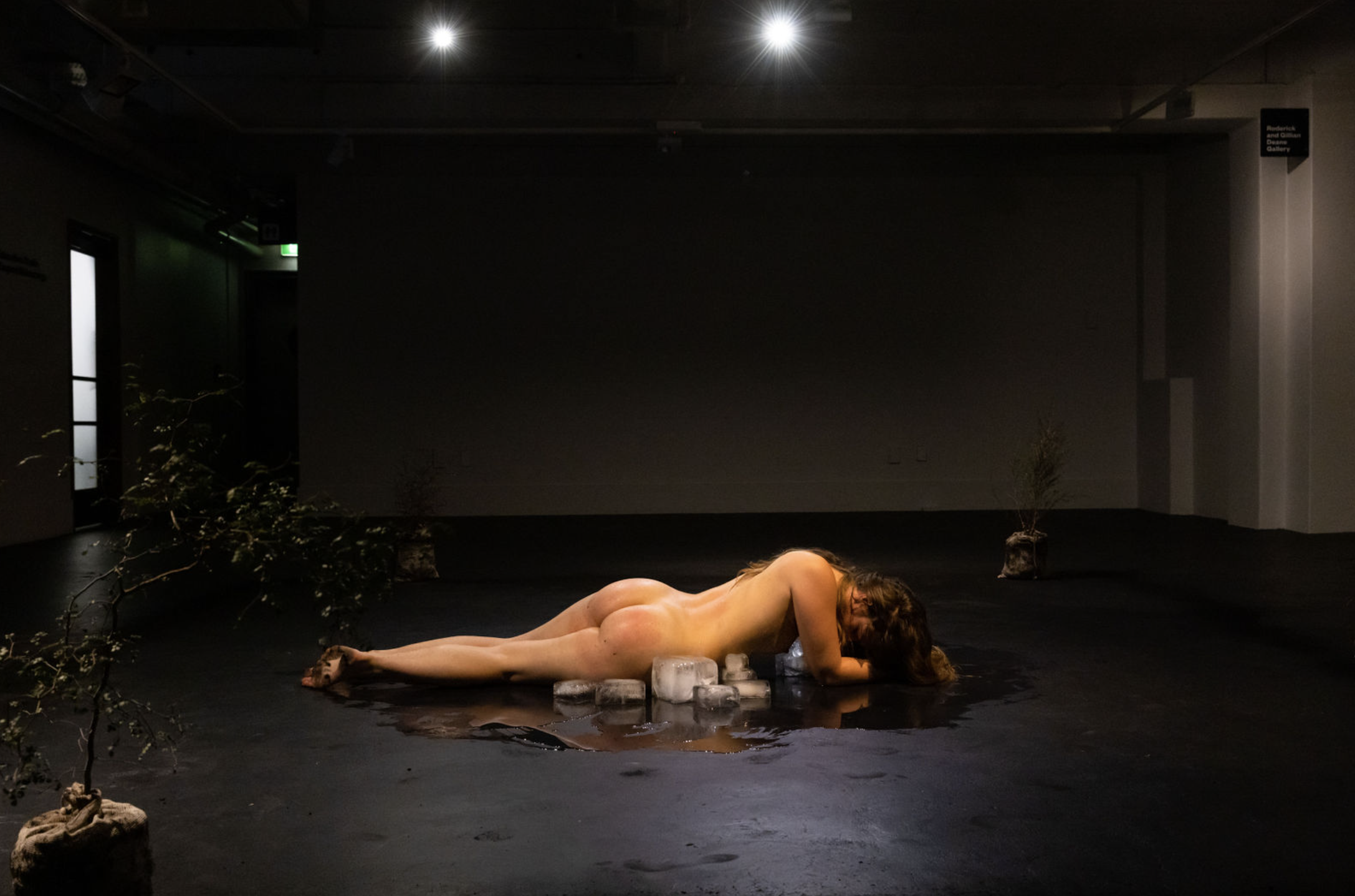
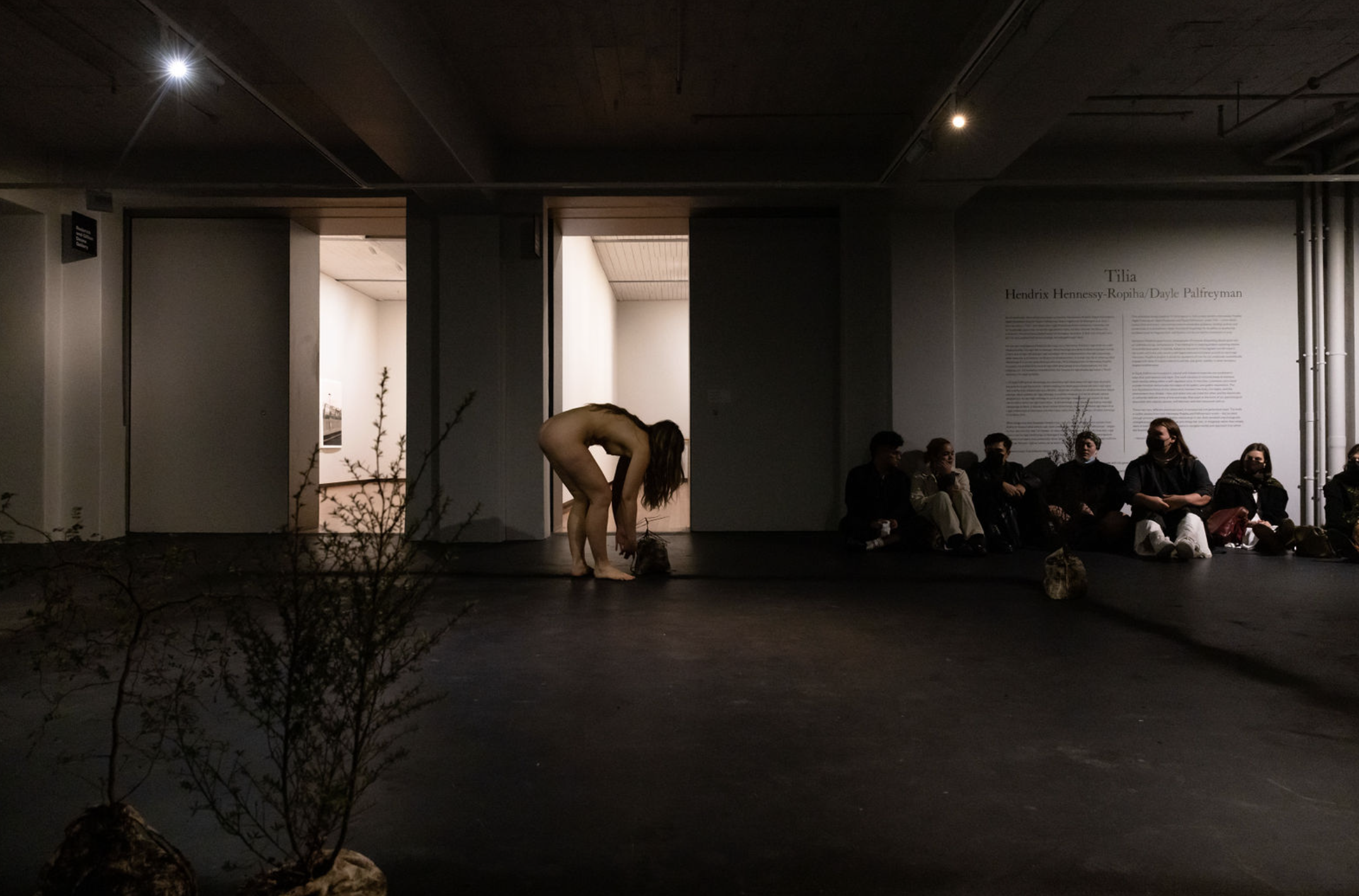
Performance at City Gallery Wellington, for exhibition Tilia. 2022
Images by Sara Tansy.
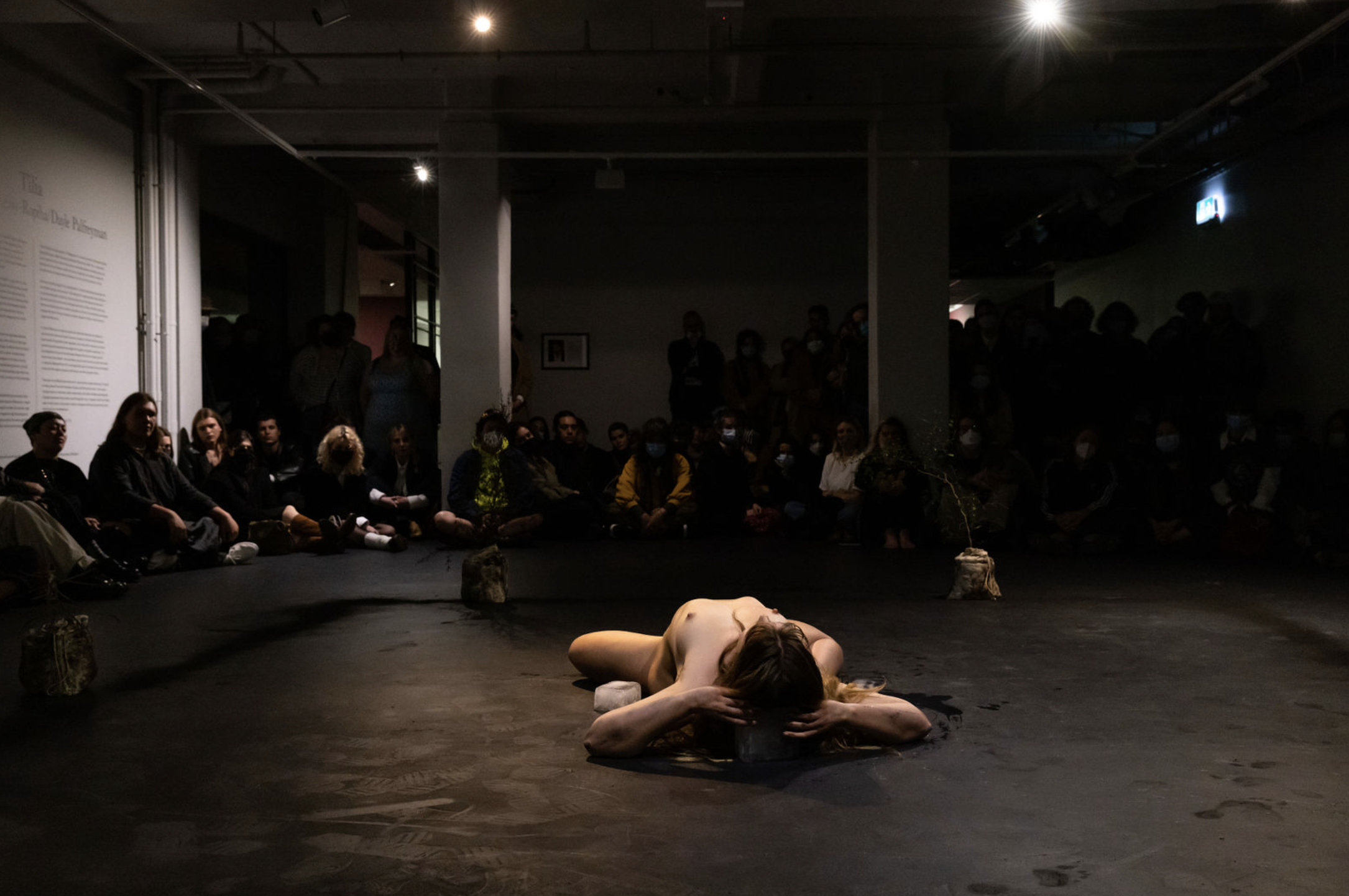
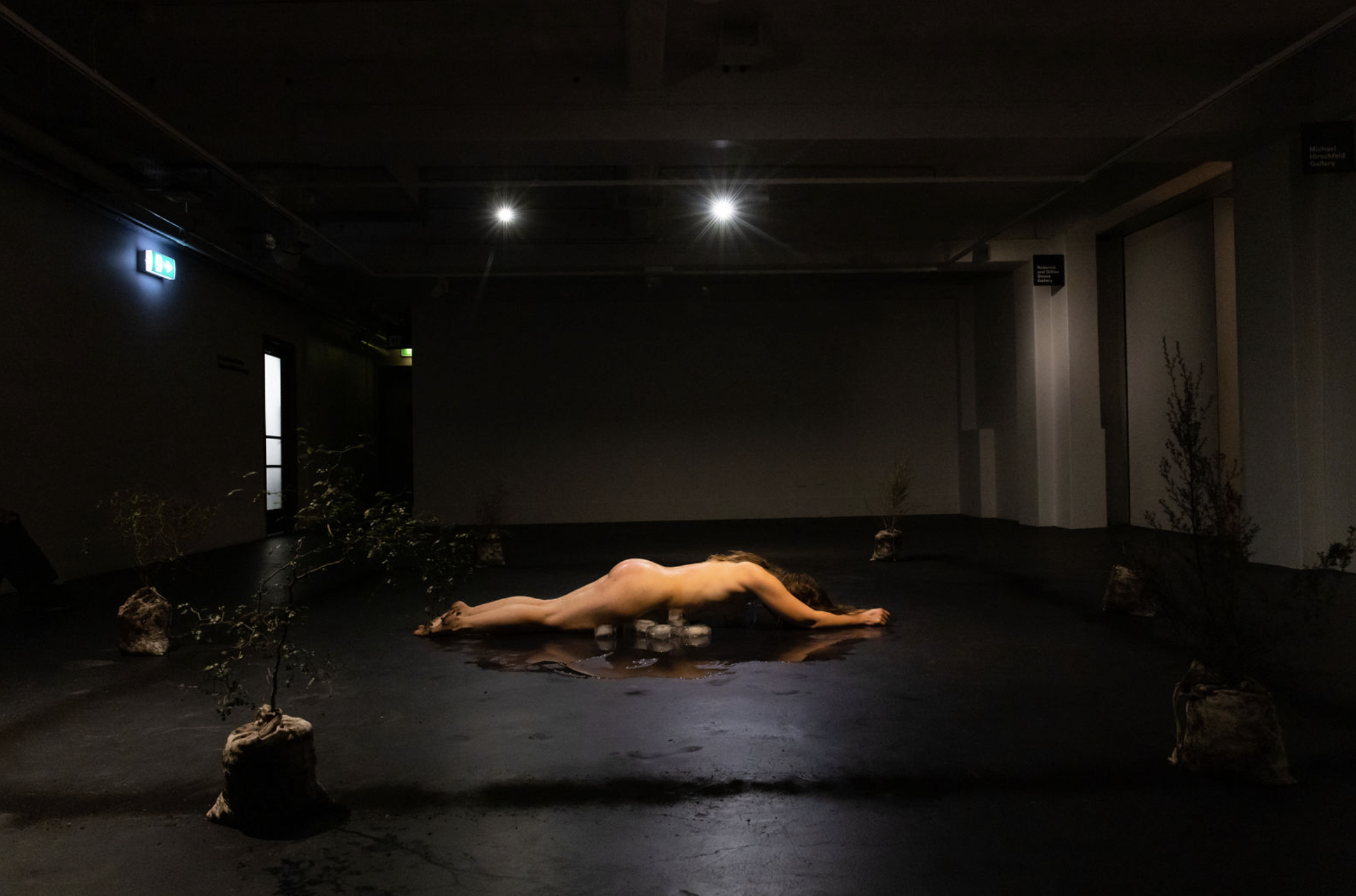
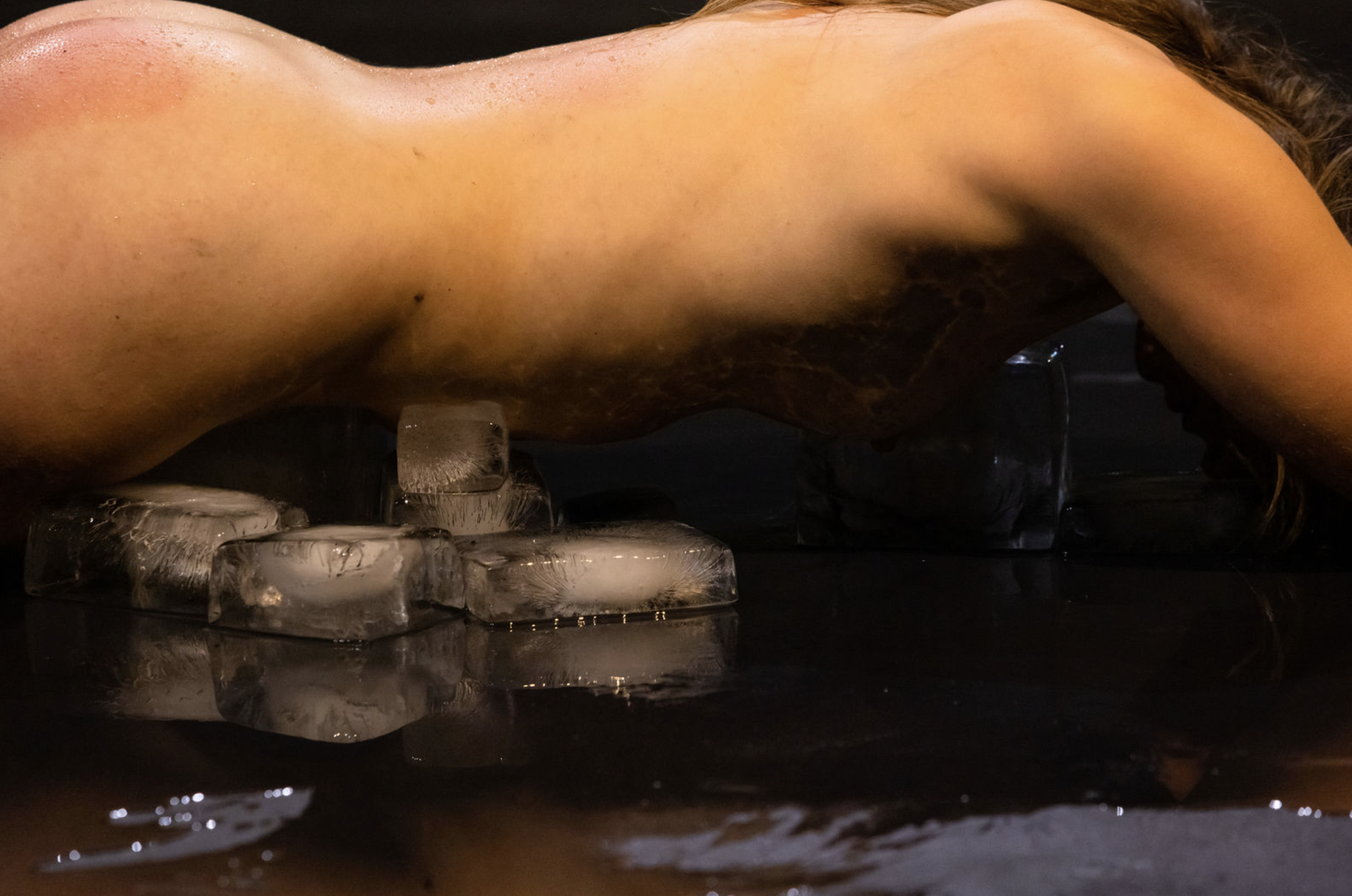
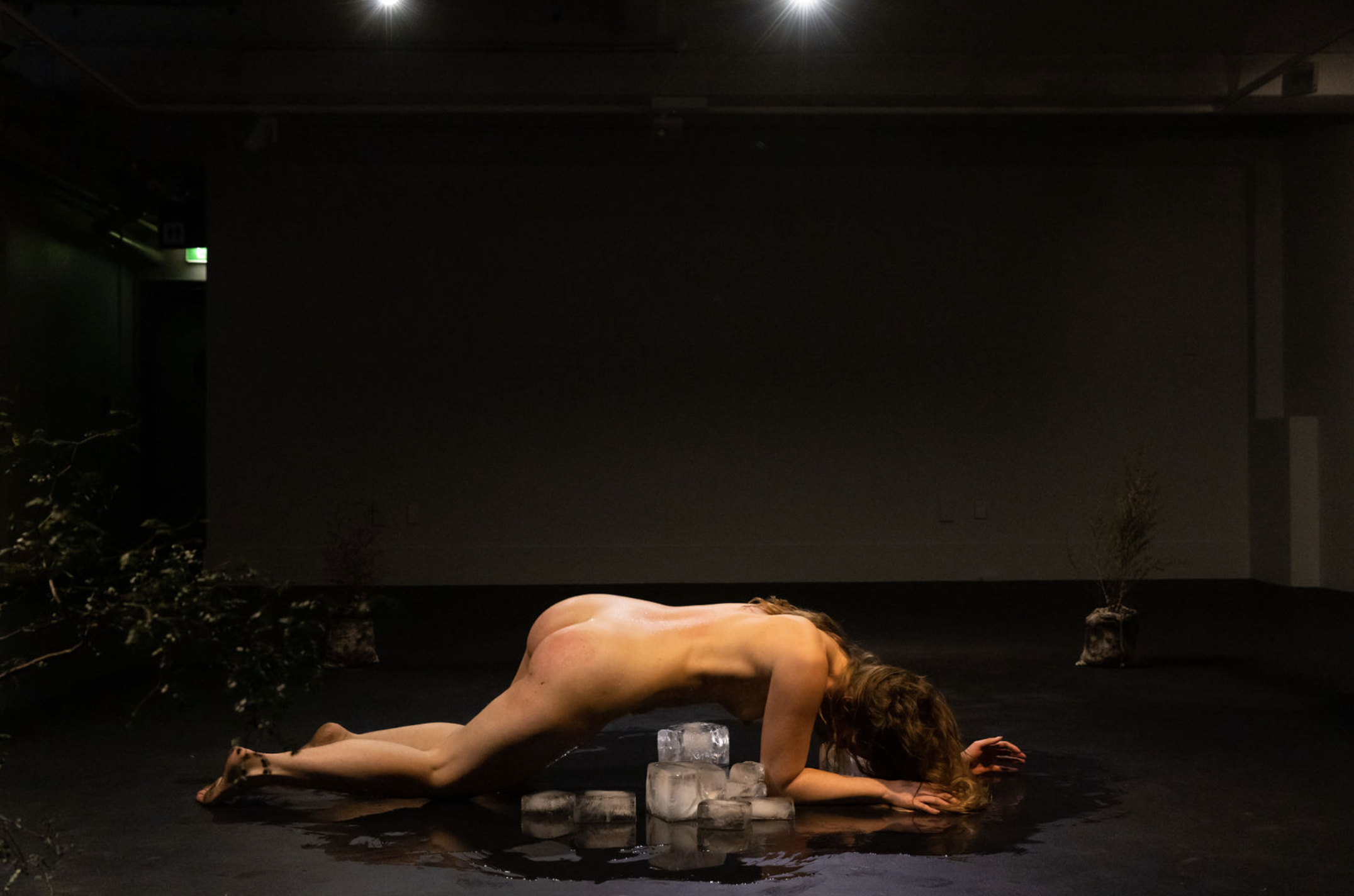
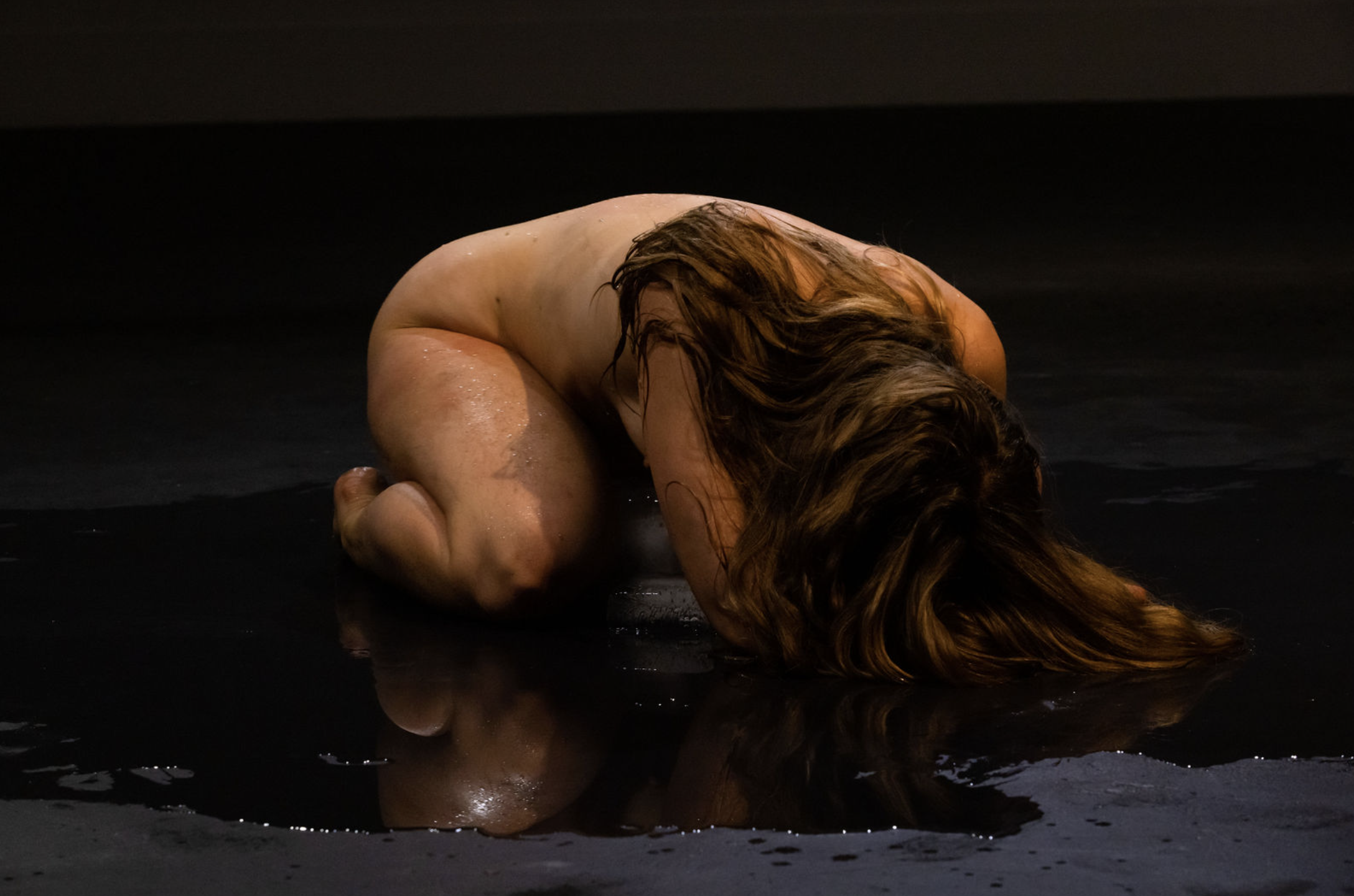
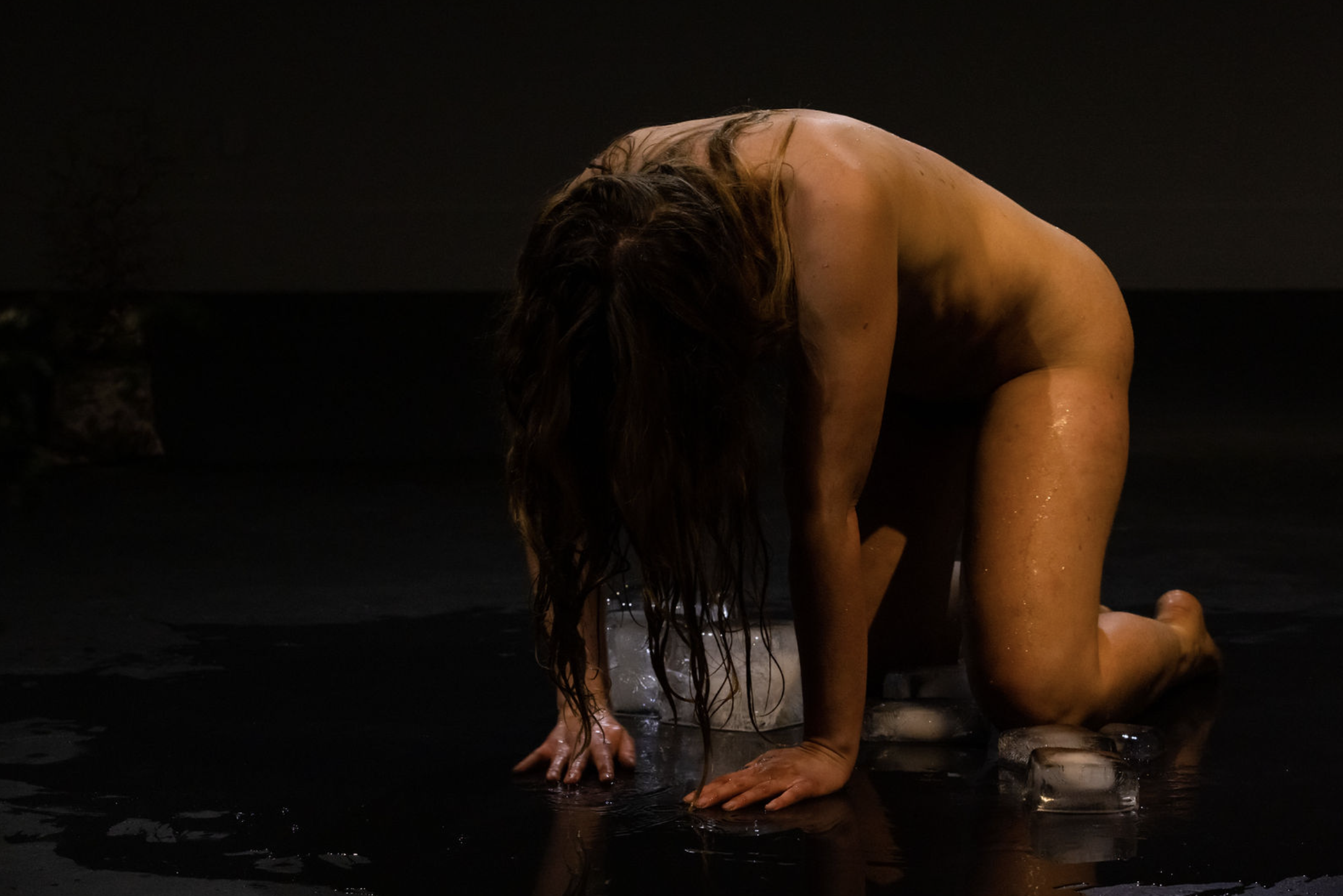
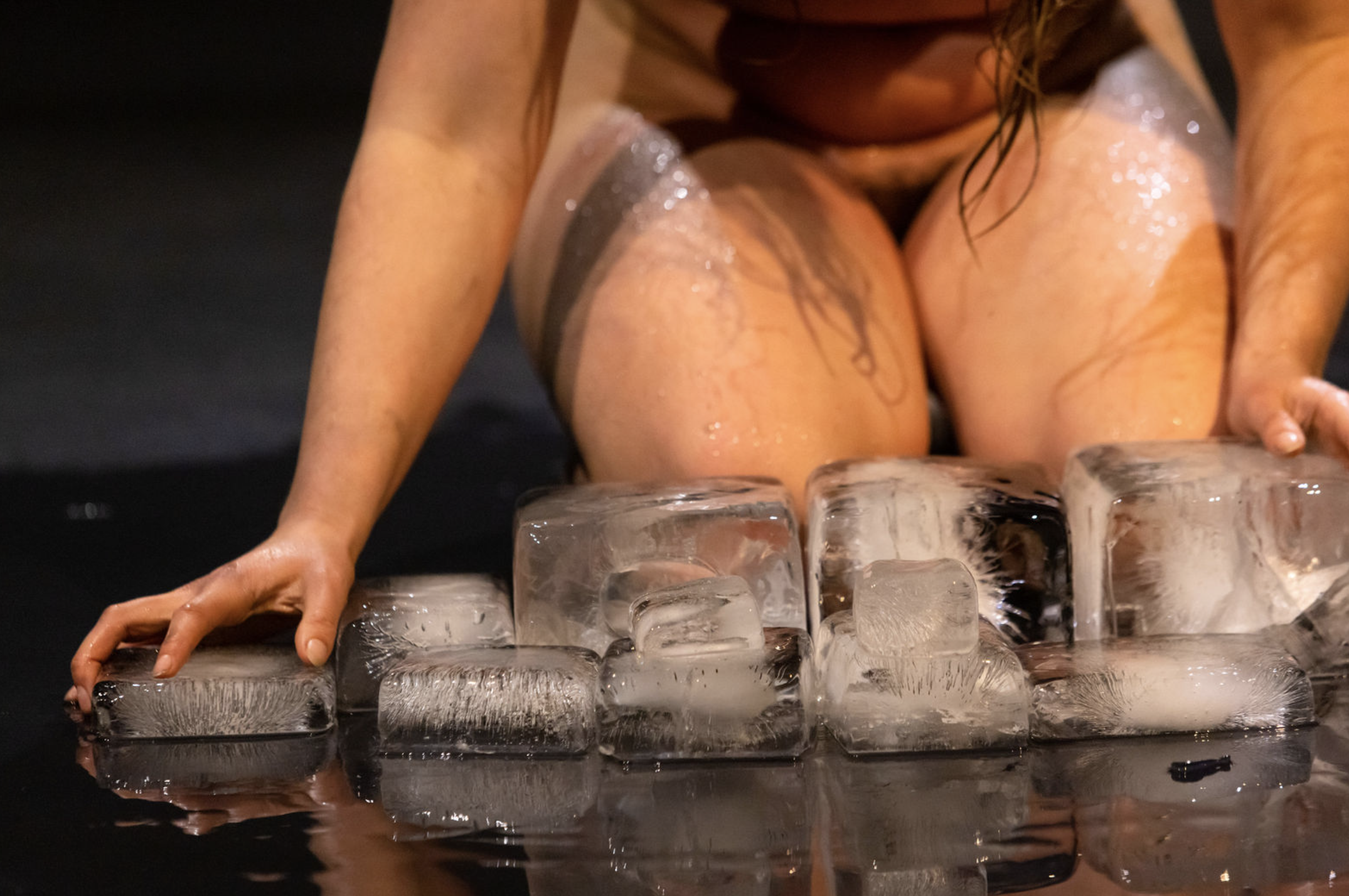
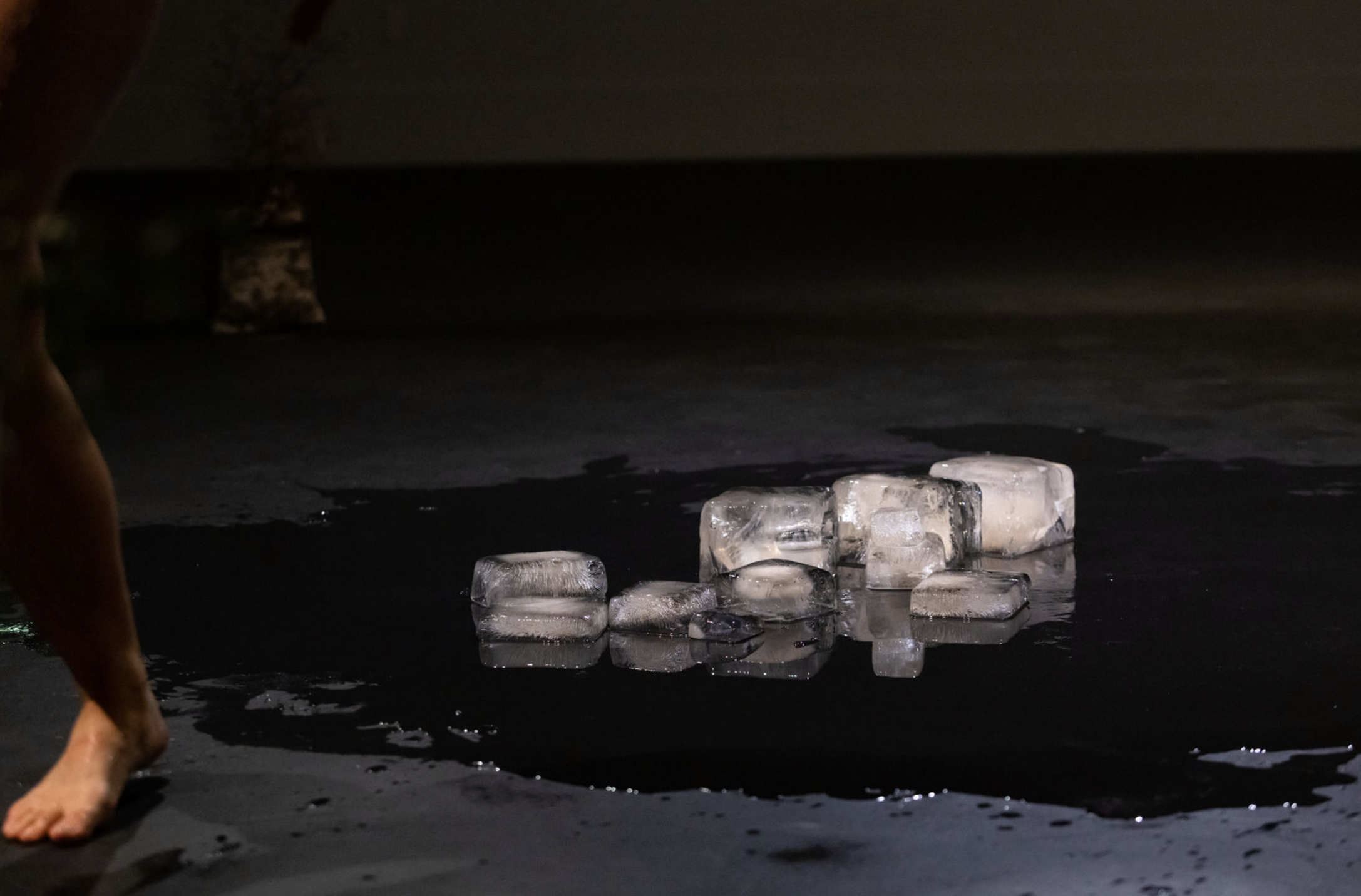
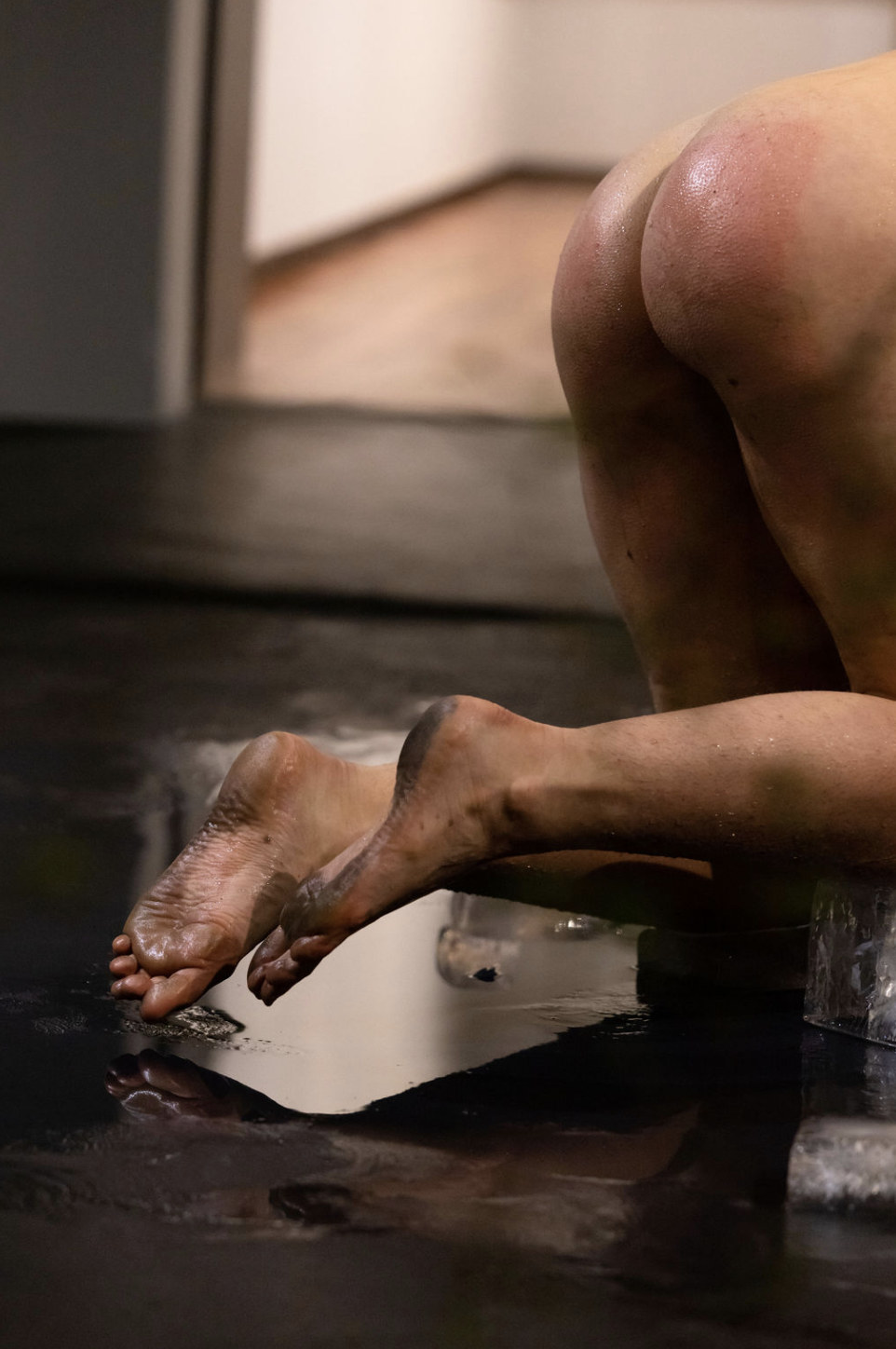
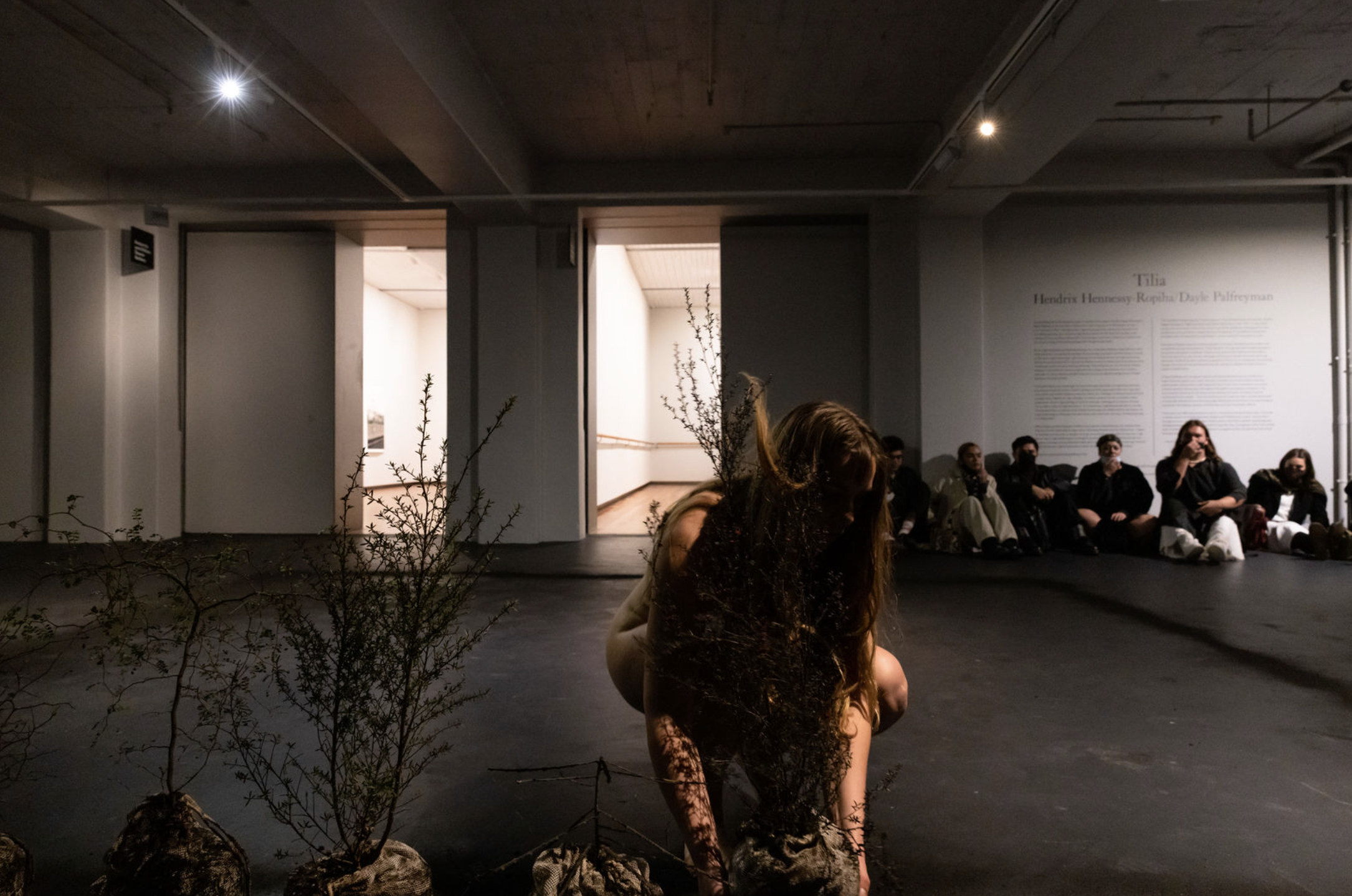
In this performance, I used my body to melt multiple blocks of ice for just over an hour.
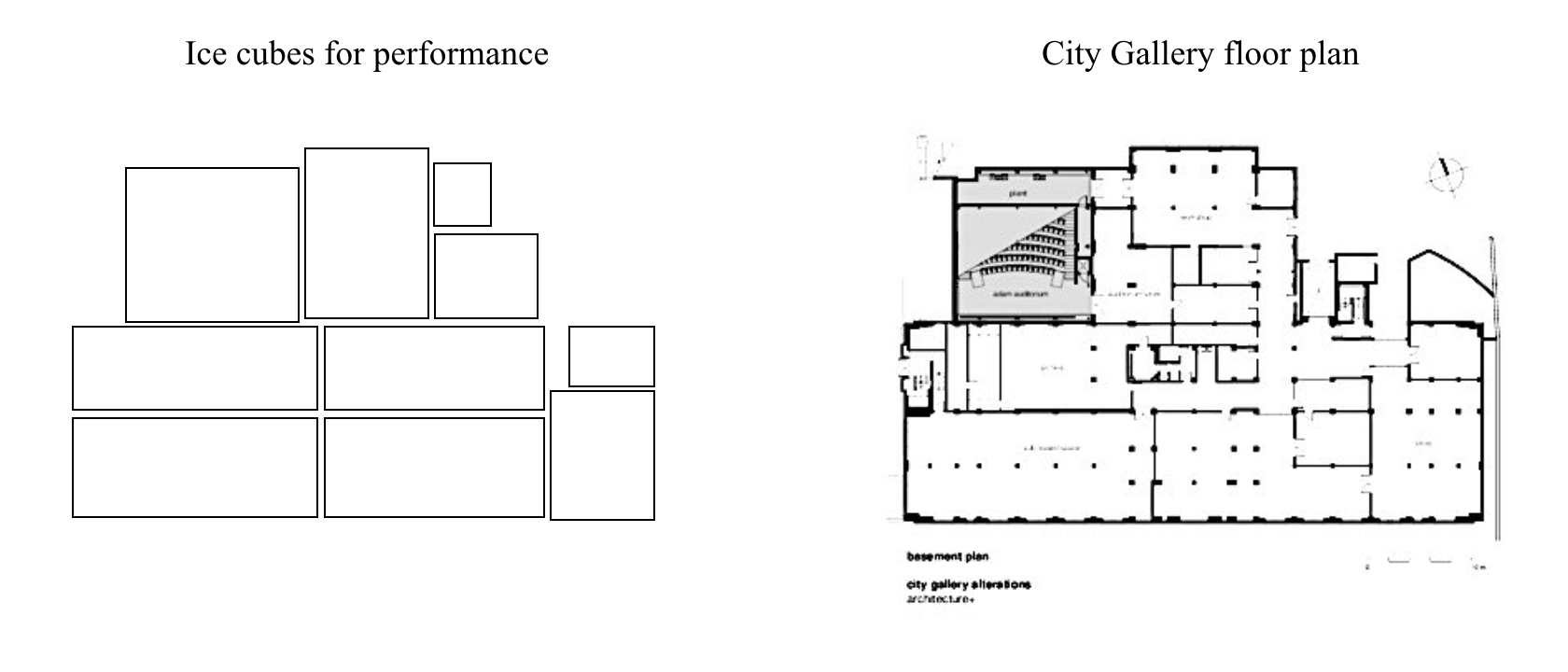
The ice blocks, which were modelled on the birds-eye view of City Gallery Wellington’s architecture.
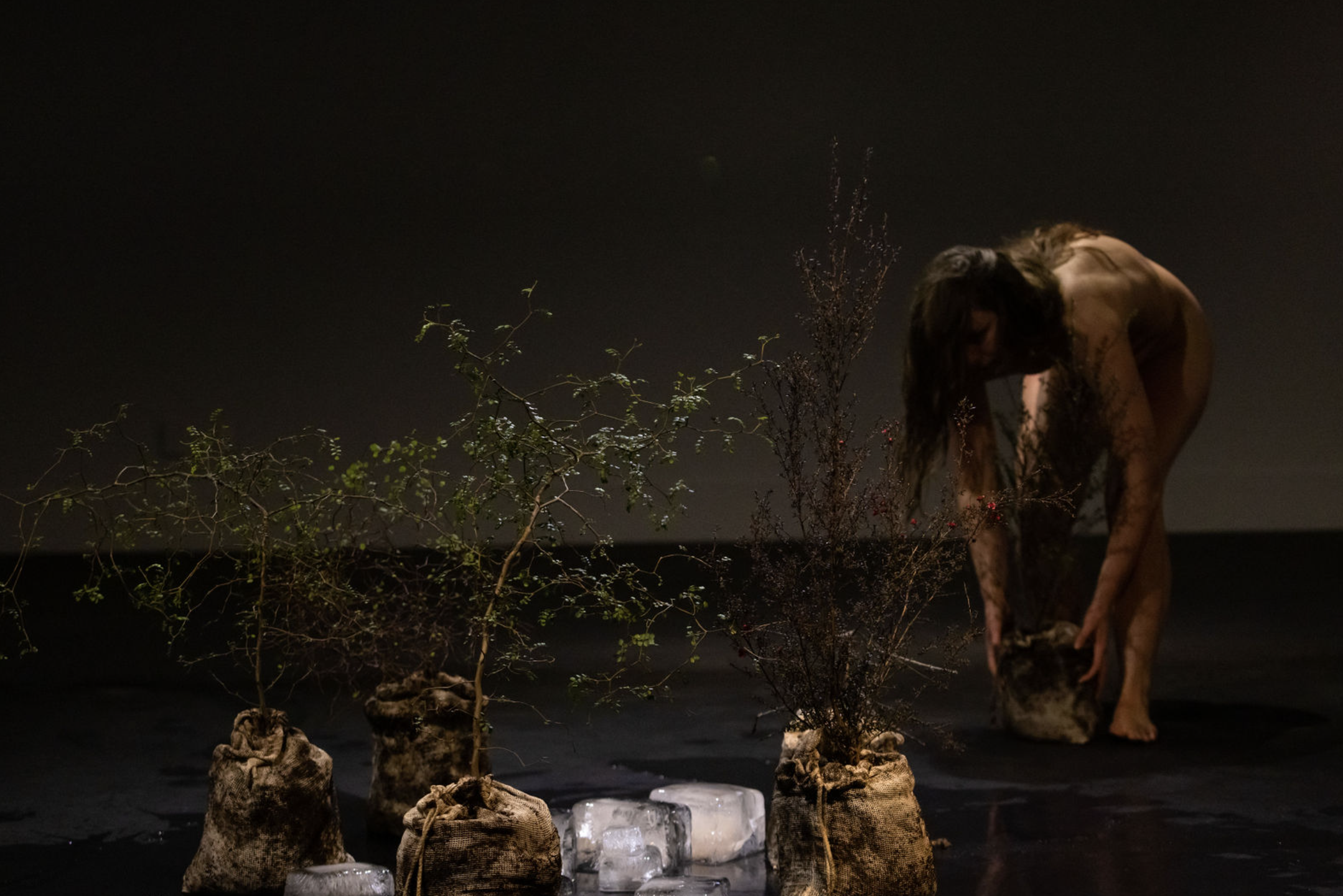
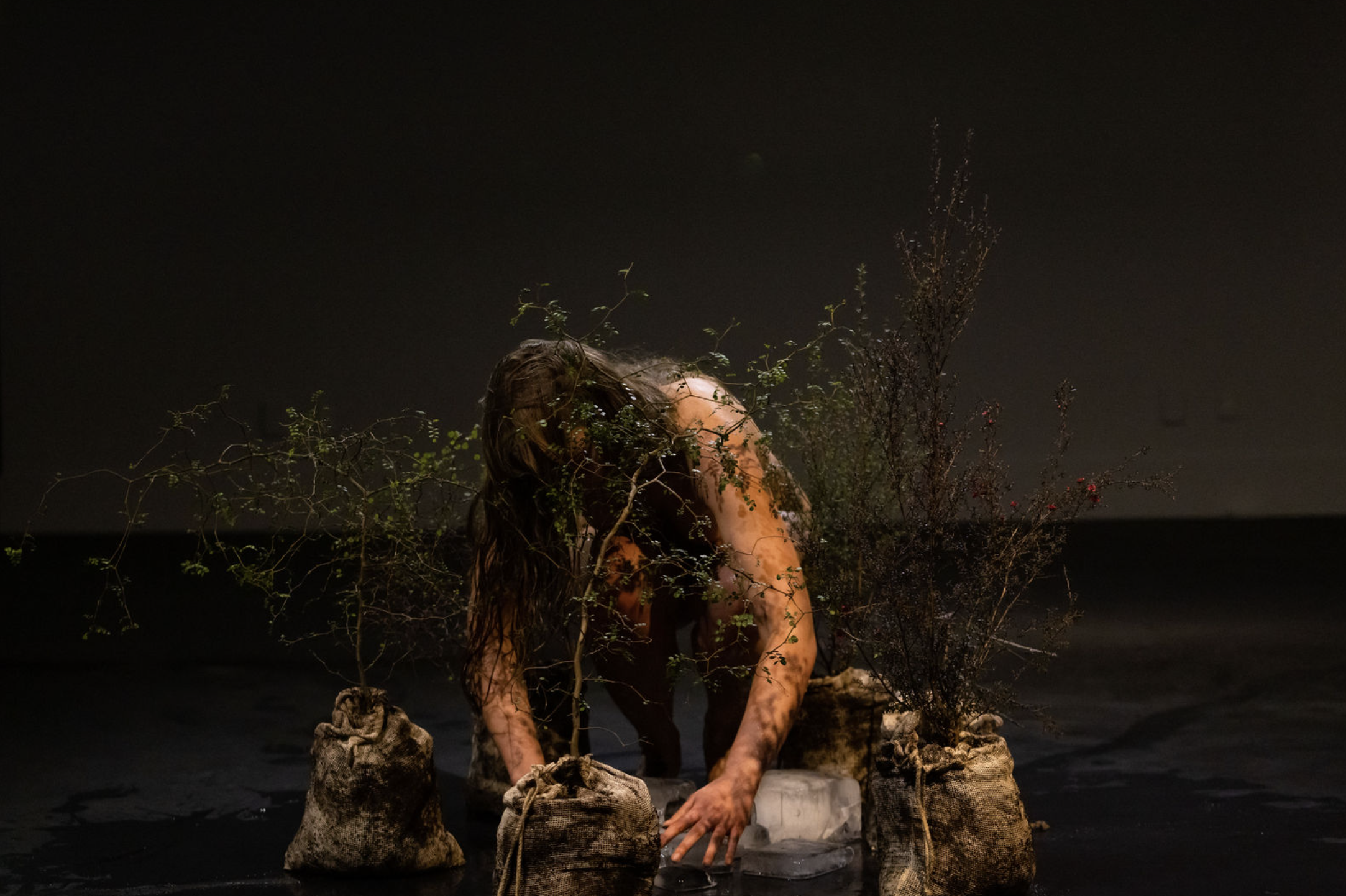
The water from the ice was then used to feed the native plants that were placed around the Gallery.
The City Gallery Wellington is built upon reclaimed land which rose above sea level in 1855. The history of knowing this land was once water and that the water remembers and attempts to return, in the way that the basement of the gallery frequently flooded - informed my use of ice to water.
Thinking about what history and what bodies, human or water, are represented in the gallery, the past, the plants. what are the traces?
More Notes:
Performance and the presence of the live performer's body conducts an agency and accountability between the performer, the audience and the space. Hendrix Hennessy-Ropiha and Dayle Palfreyman’s work in the Tilia exhibition both conducts a similar agency in viewers' connection bodies to place and space. You can almost feel their works on your skin.
See Hendrix Hennessy-Ropiha and Dayle Palfreyman’s works here.
Melting Monoliths as my performance response introduces this body and these rākau Māori to the space which has previously been absent of both (no organic matter in the gallery - sensored nudity.)
My work resolves a desire to both interact and insert myself into the spaces created by Hendrix and Dayle. The curiosity of wondering what it would feel like to lay upon the hand-crafted nails or see someone do it is satisfied through the practice of laying upon the ice structures, at a distance from the ground. The enduring process of melting and transforming the ice is a familiar painful yet patient process, attempting to create a safe and nourishing space for ngā rākau to drink the water.
I consider this mahi as a response also to the whakatauki ‘Whatungarongaro te tangata toitū te whenua’ as people disappear from sight, the land remains.
Kia ora koutou.
Contextualising the performance:
Ngā rākau. The plants.
I have worked with nga rākau to provide a boundary between myself and the Gallery. They were placed in a circle around me which I performed within. I had spent the week prior to the performance, with these plants asking them to protect me and preparing them to return to the whenua.
Ngā rākau are a gift and responsibility to City Gallery. I hope they accept and make space to plant, nurture and cultivate their relationship with the whenua.
The ice
The blocks of cold, rigid monolithic stature mimic the architecture of institutional spaces. Often spaces that are cold and alienate those who do not reap the privileges of colonialism and patriotism.
The body
An agent of change, Made of warm tender flesh. A Pākehā body, a female body, a queer body maneuvers its way through the structures of ice attempting to transform them into water. Water that can feed the plants, water with its own agency that inevitability threatens to consume the land and leaky the Gallery itself. The body as another temporary layer in the gallery.