
Currently
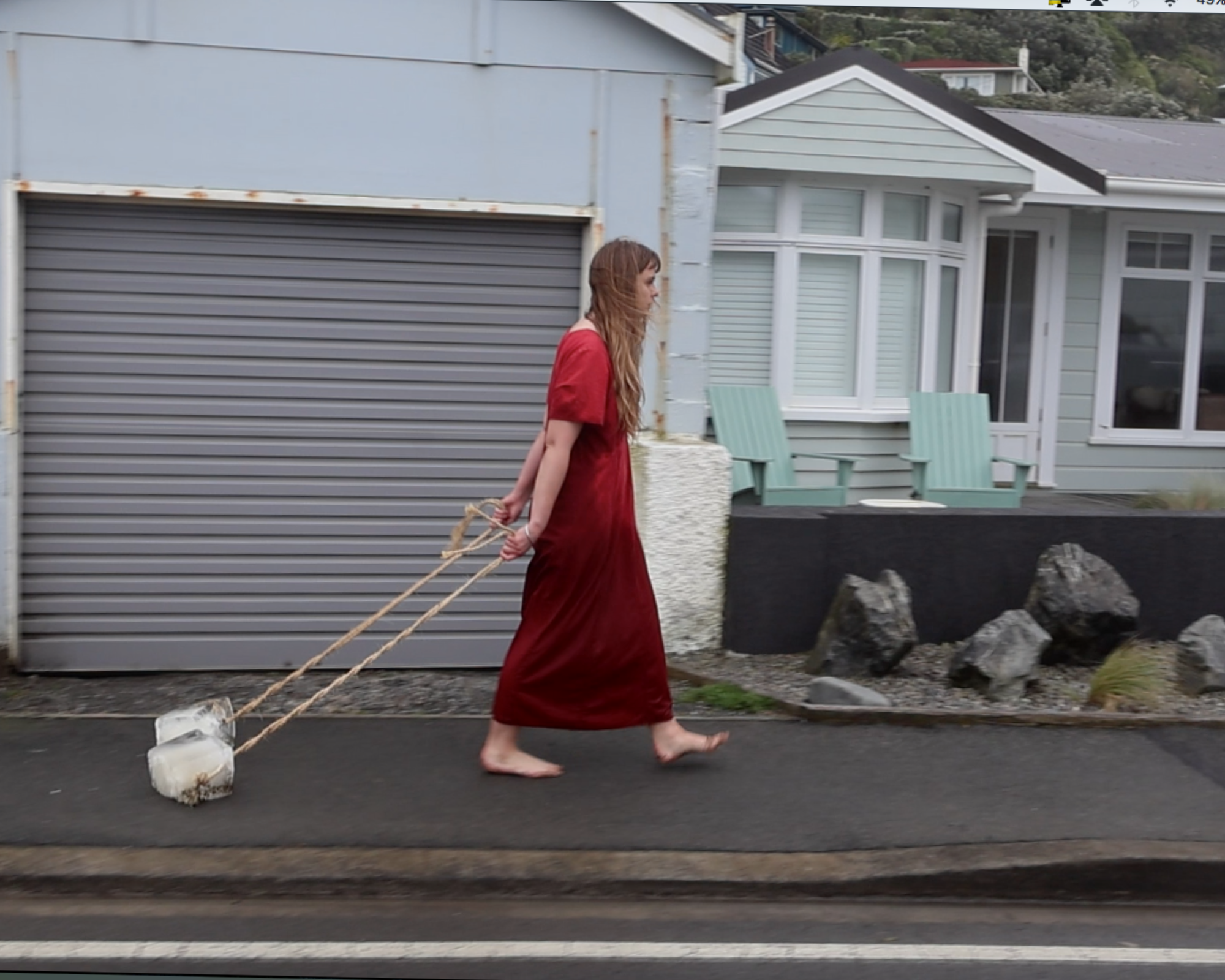
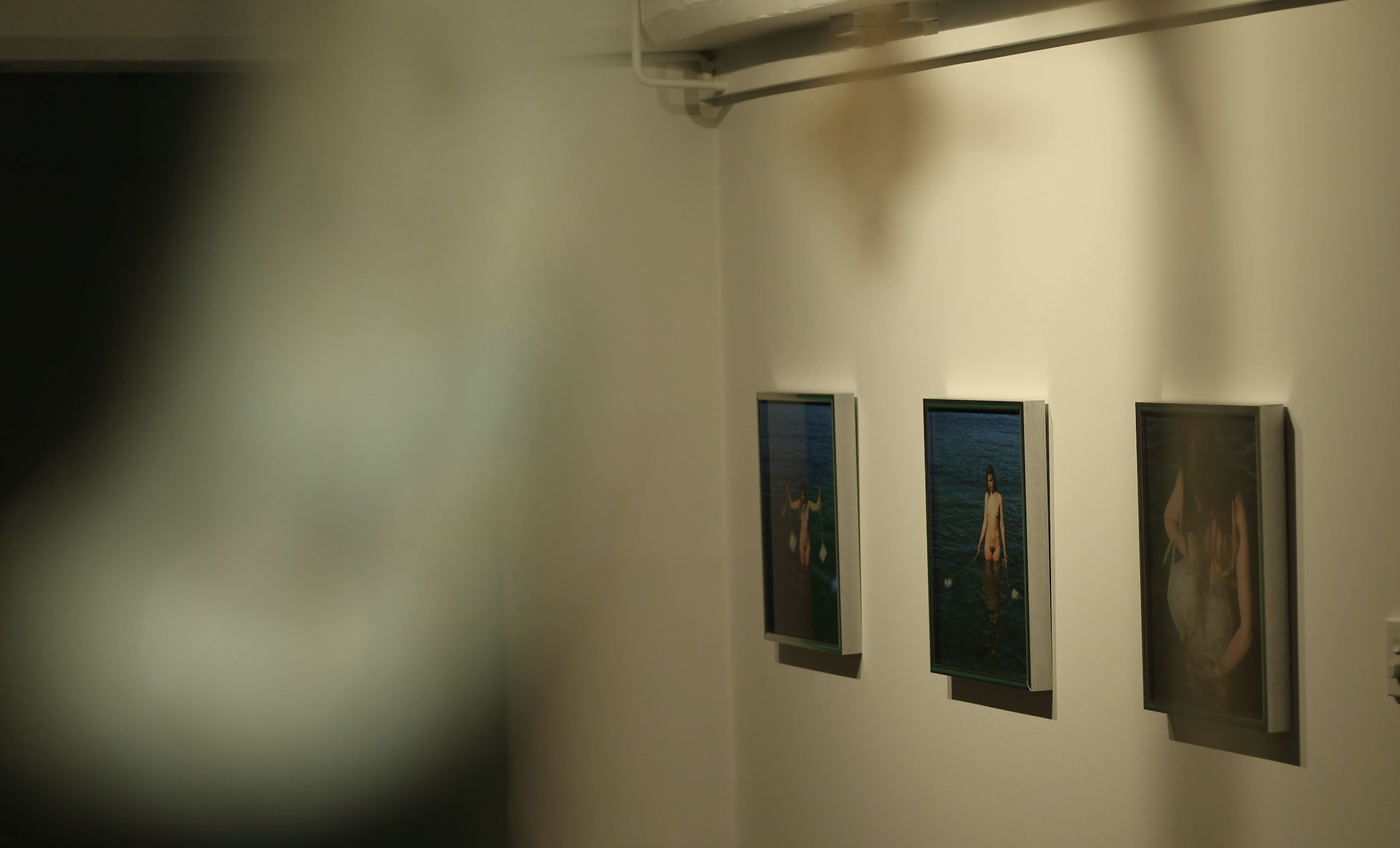
Images by Renati WaakaHolly Walker’s mahi toi reveals fragments of her cultural experience of being Pākehā. Identifying as Pākehā and as Tangata Tiriti comes with responsibilities to the landscape, environment, to people and the past. The artist navigates an ‘in-between’ state which asks questions of her Pākehā identity such as where have I come from? where am I going? while making emotional and physical connections to the whenua. She draws parallels between colonialism and capitalism, and their treatment of the environment and women. The power of the female body in symmetry with nature is at once visceral and beautiful. The artist states ‘being a nude woman outside of a private setting, is a political act’ Holly’s practice is a therapeutic process of re-connecting to her identity through performance, sculptural works and kōrero with the whānau.
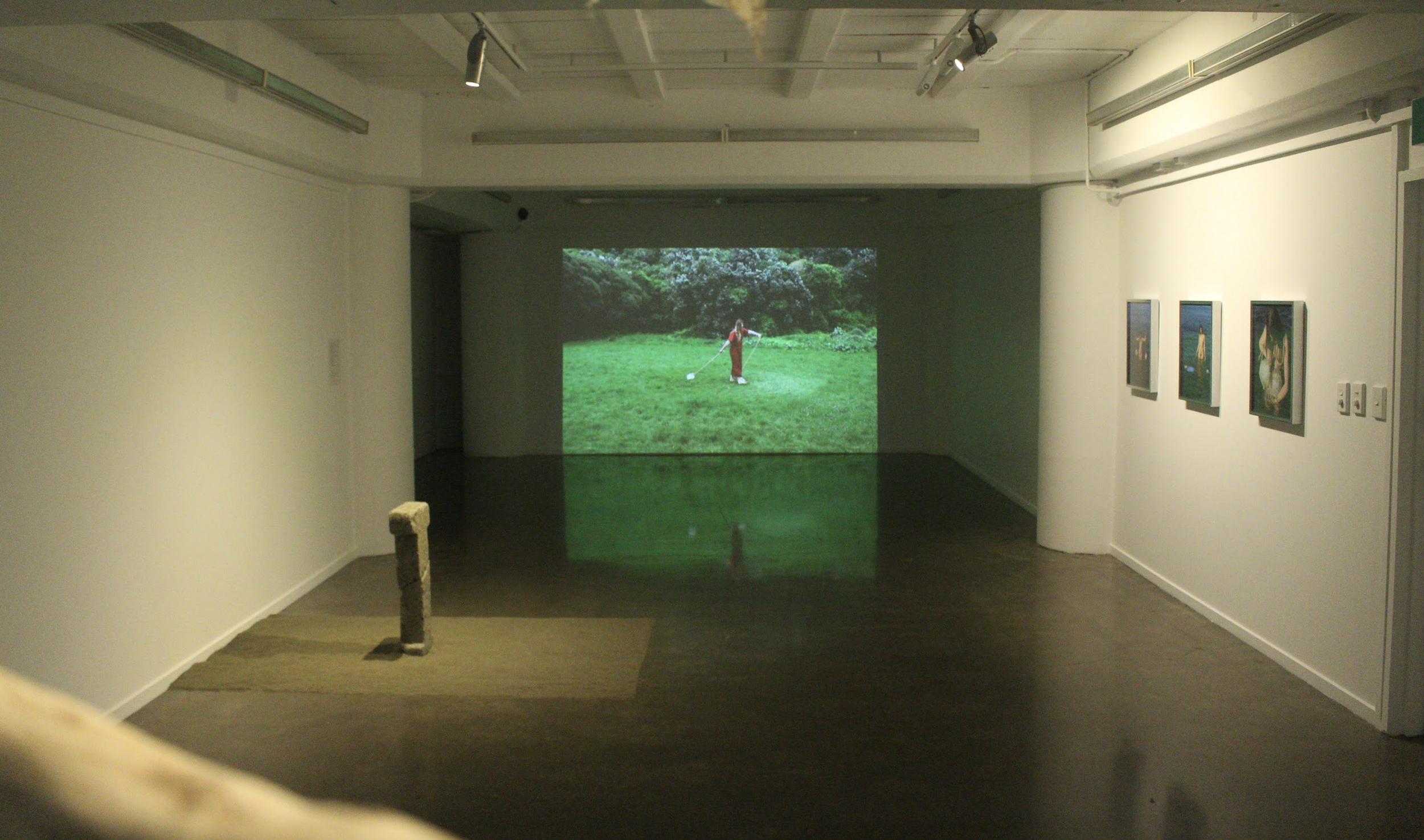
Holly describes her works in the exhibition currently as discussing where the artist is within her creative practice, responding to learning and evolving in her Pākehā identity. The works evoke ideas of displacement, conflict, disorientation and contemplation, it is an effort to gather pieces which reflect the past, not only from the point of when her Pākehā ancestors arrived in Aotearoa, but also before. The show includes initial experiments drawing from the artist’s Celtic heritage through knots and motifs. The Celtic knots and spirals became conceptually important as they look familiar to kowhaiwhai and the takarangi spirals often seen on waka or pātaka, which from the artist’s personal Pākehā position, have always been more familiar than ‘triskelions’ or ‘triquetra‘ designs. These designs have been used in Christian and Medieval iconography, often to adorn monoliths and structures which mark history in locations’.
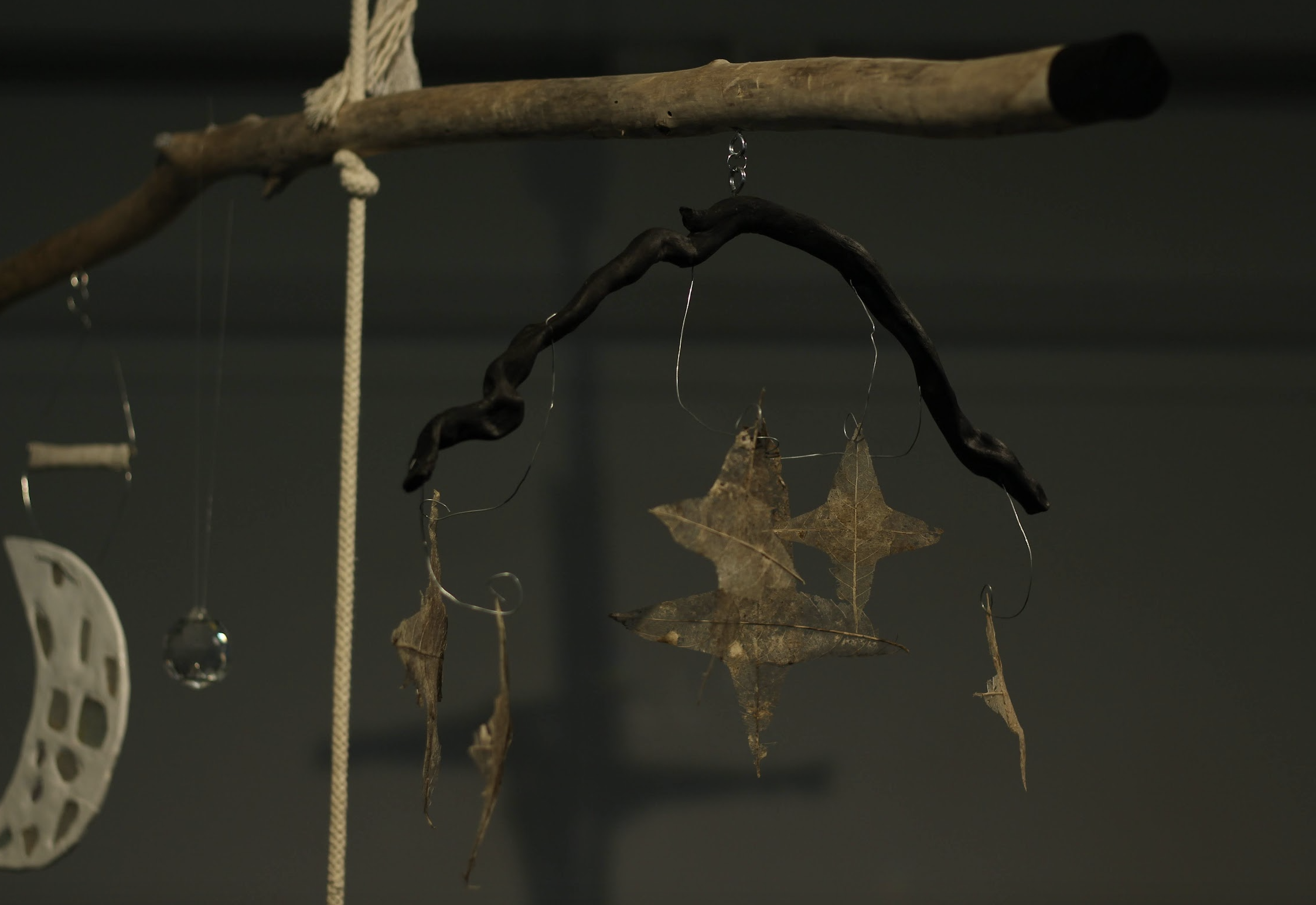
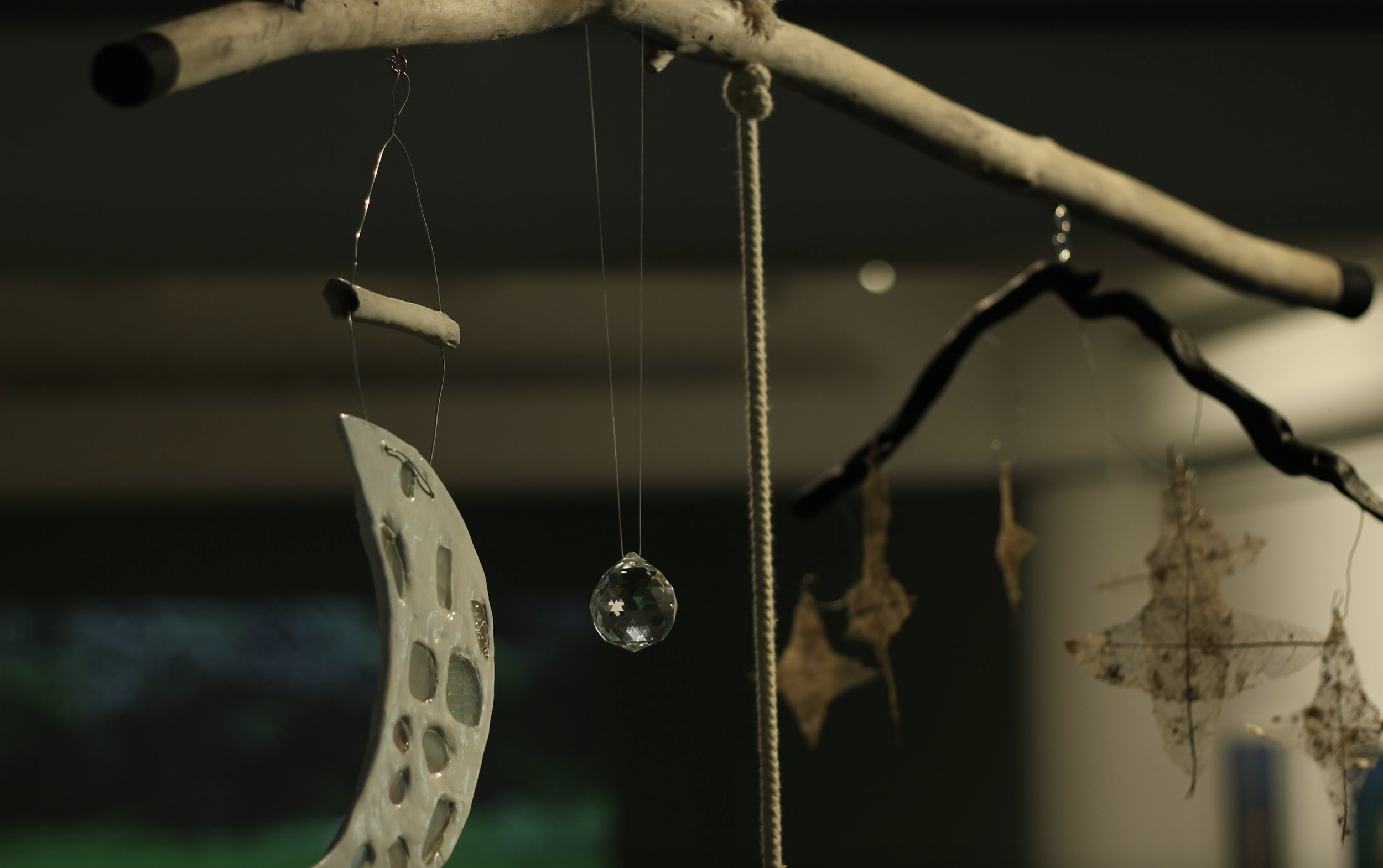
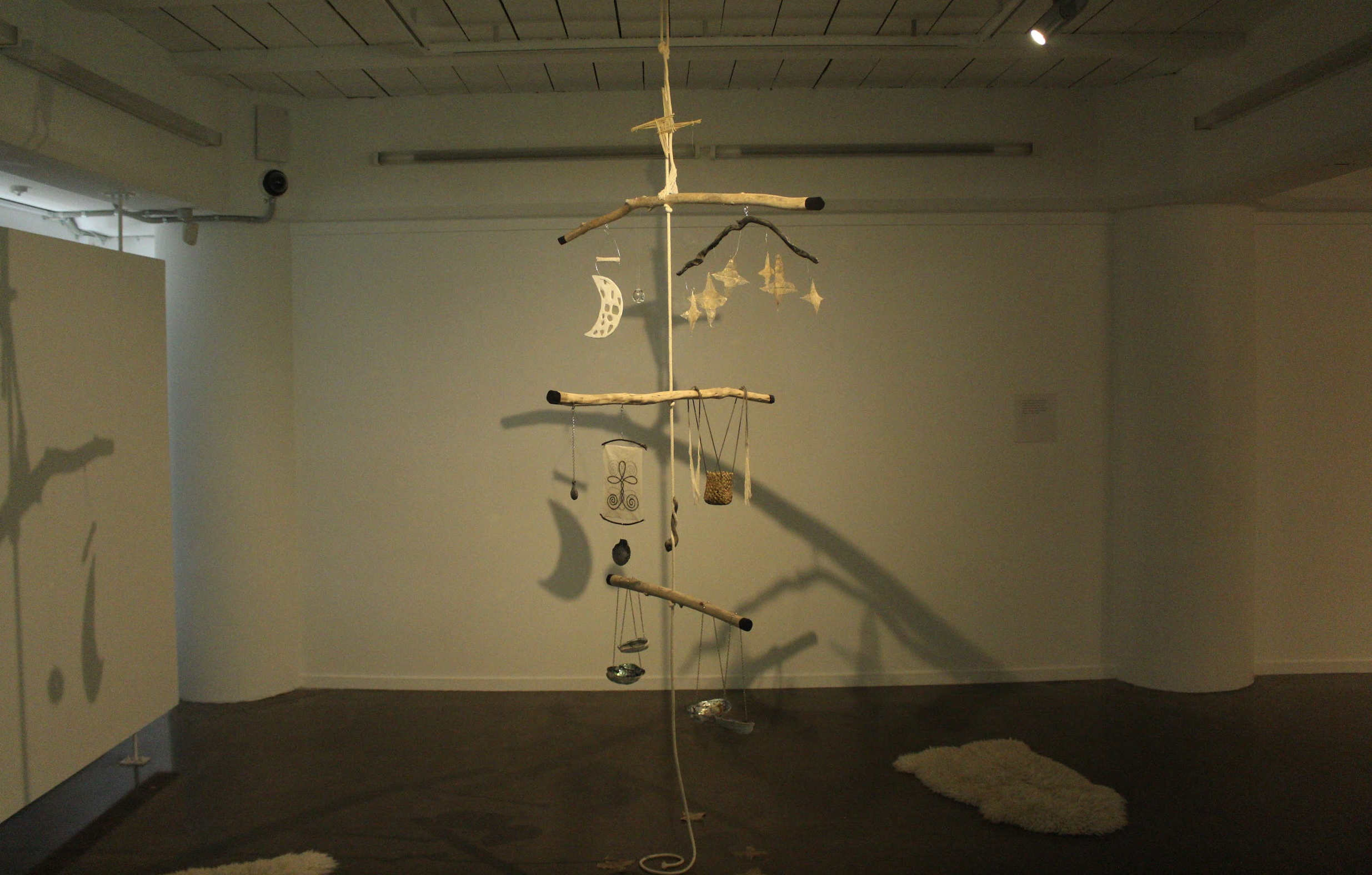
Currently includes found objects foraged, recovered, recycled - all to reference the sense of recurring and the cyclical relationship to time. The inclusion of Celtic knots and spirals reflects back to spinning or spiralling, not quite at a beginning or an end, but trying to mark a point. Currently acknowledges movement, disorientation and the ever changing process when learning, especially about identity. Currently is an interrogation of colonisation and settler identity as Holly states:
“it is an effort to reclaim through accountability and a sense of belonging within myself and here - my first home Aotearoa. It is a gathering of information and unearthing of truths. I wanted this collection of objects, ideas and performance to demonstrate a point in my practice where I am experimenting and learning to articulate an understanding of and connection to my Pākehā identity in relation to my reality and spirituality. It is not the mahi of Māori to teach Pākehā how to be and become Pākehā . Pākehā all have access to realise we live on the whenua of Māori and observe culture and often participate in Te Ao Māori spaces. From there we can configure and own the realities of how we got here, how we fit into the landscape and then how we relate to Māori and tauiwi in Aotearoa. This exhibition is my experimentation and spiritual/creative demonstration of how I am learning to look at being Pākehā, and working toward choosing to embody the realities to my Pākehā cultural nuances.
List of works:
‘I’ found object. sculpture 2022
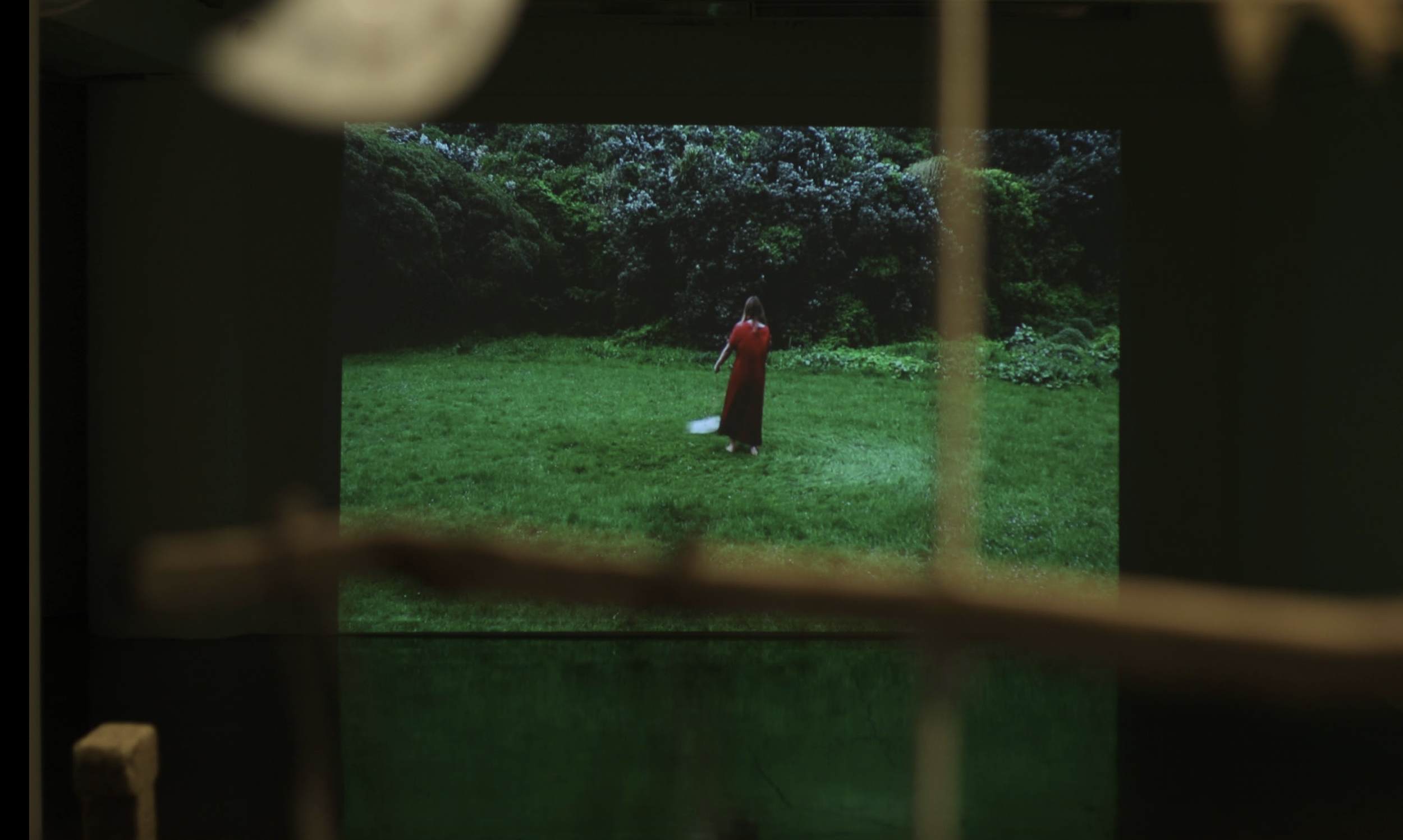
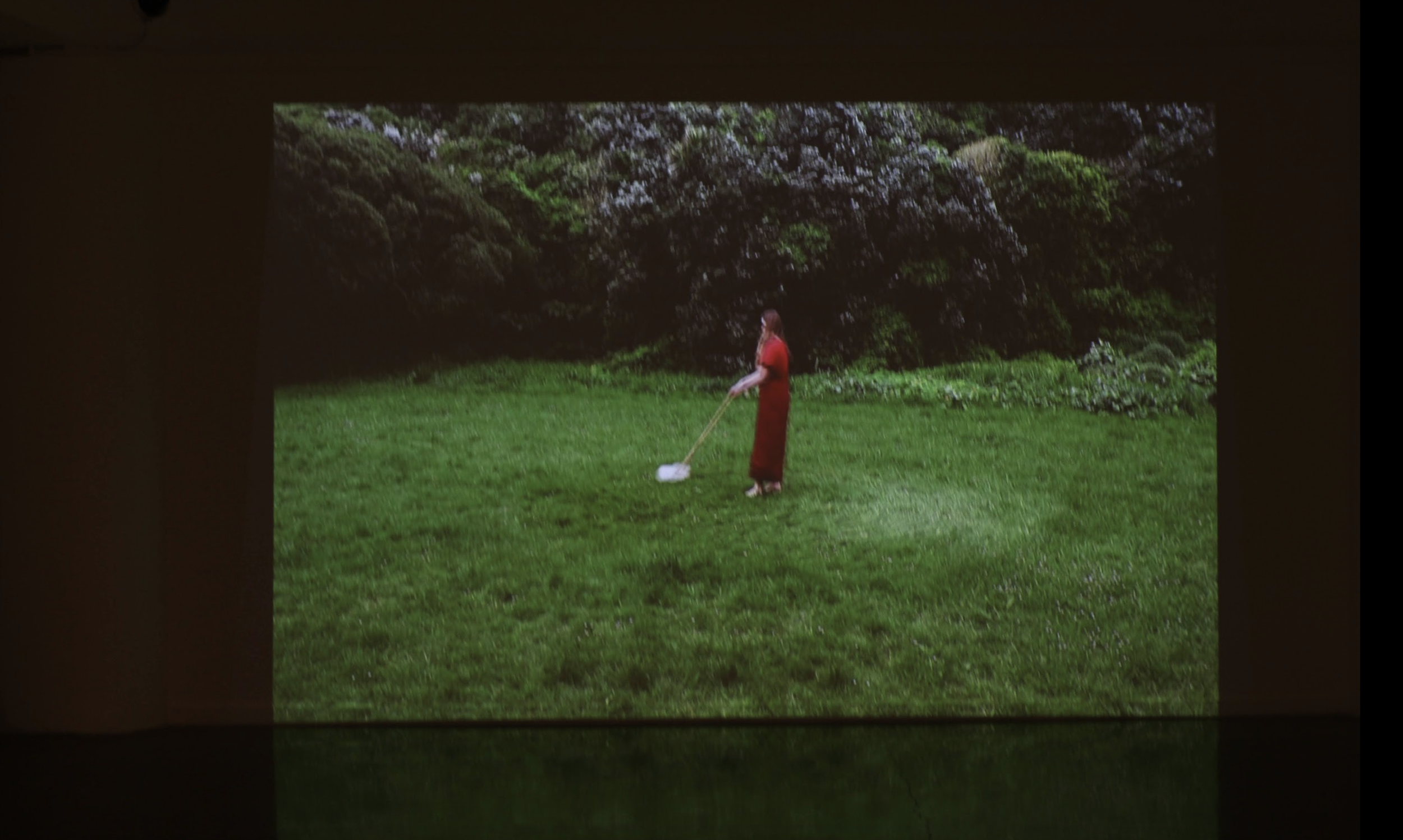
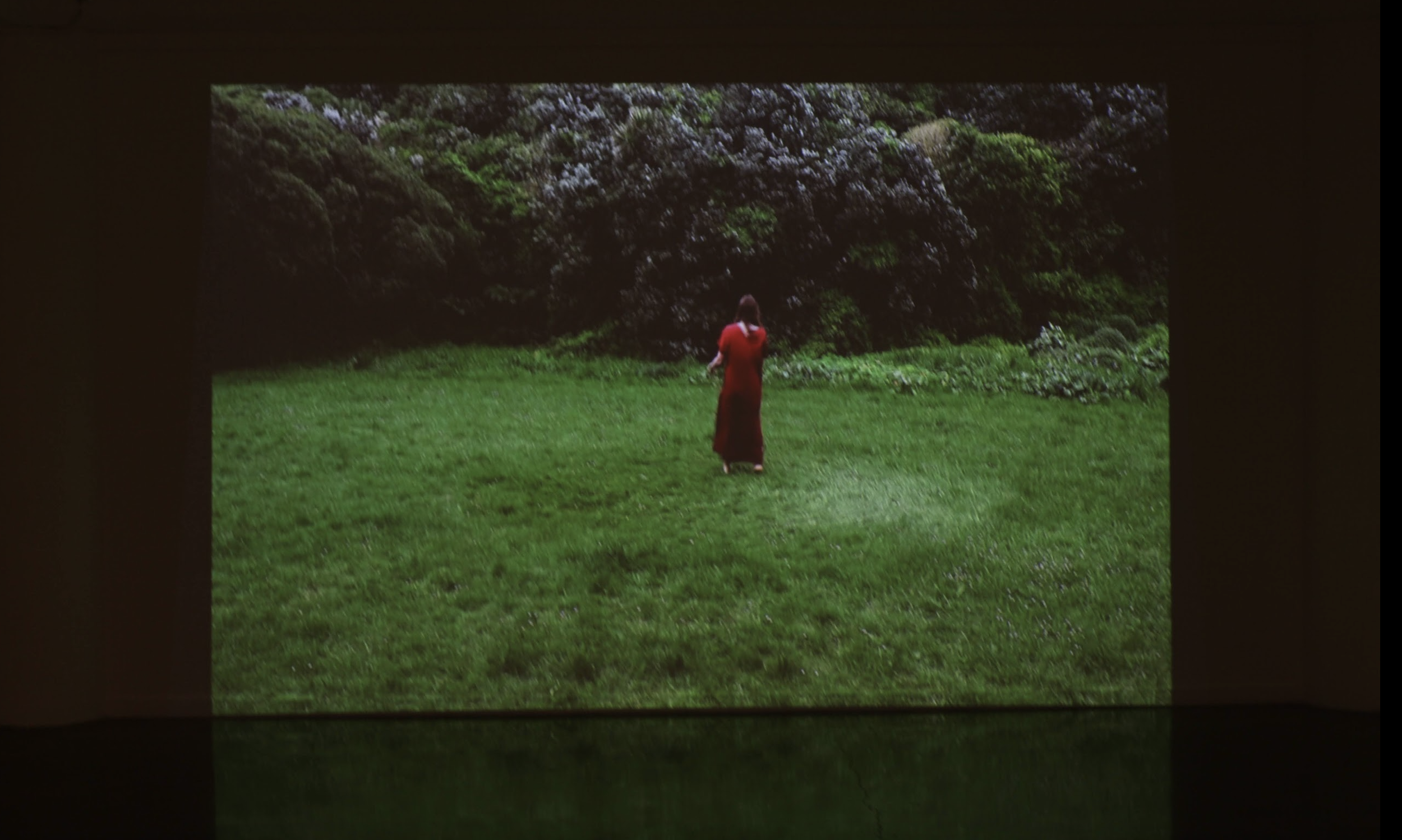
From the body, seperate from the body, relative to the body, leave the body, return to the body. Video performance. 2022
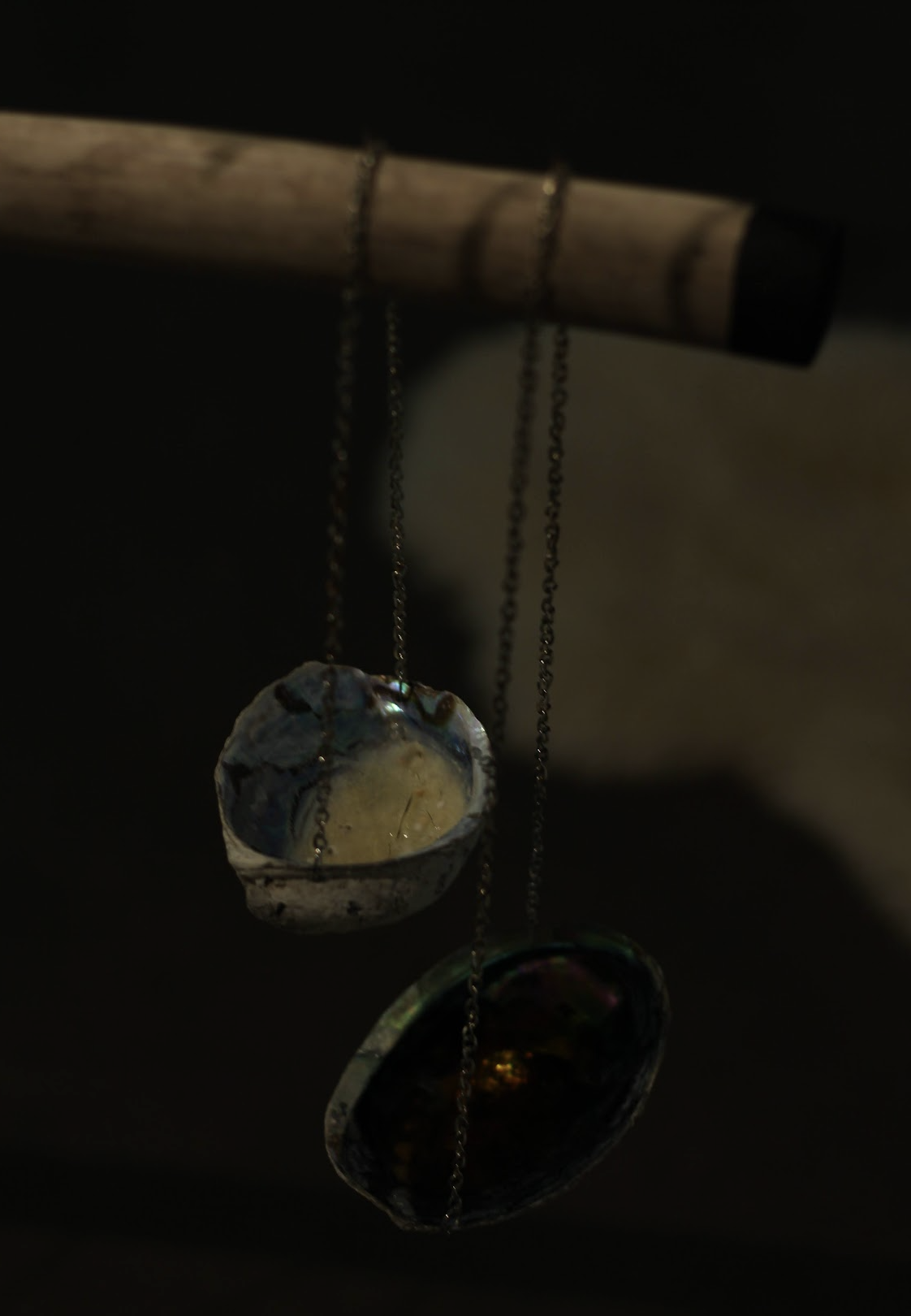
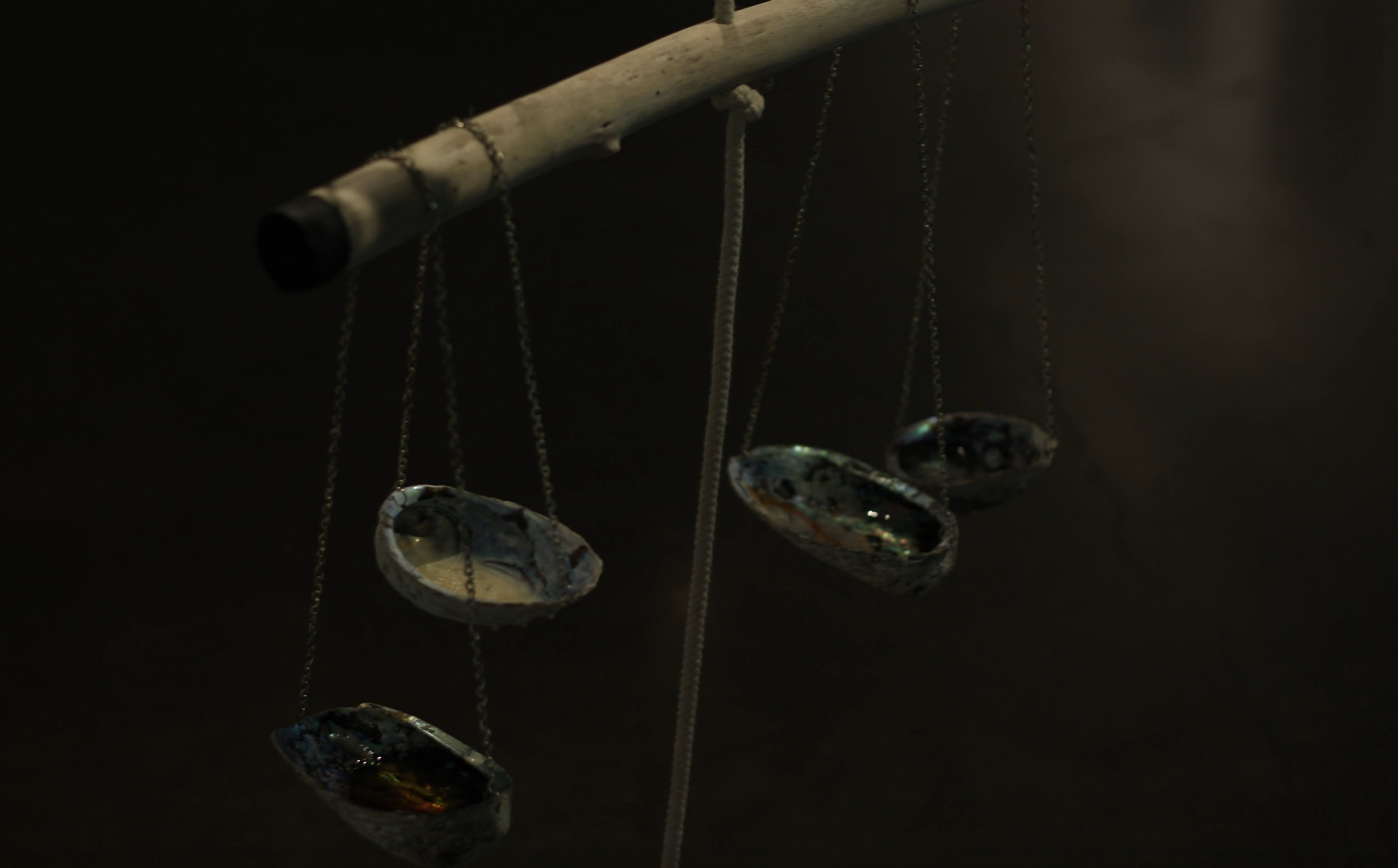
Rope, driftwood, gorse wood, wire, māhoe leaves, harakeke, dirt, clay, sea glass, bone, glass ball, nylon, cotton, gorse charcol, seashells, vinees, alloy, sinker, pāua shell, salt water, fresh water, milk and honey. mobile sculpture. 2022
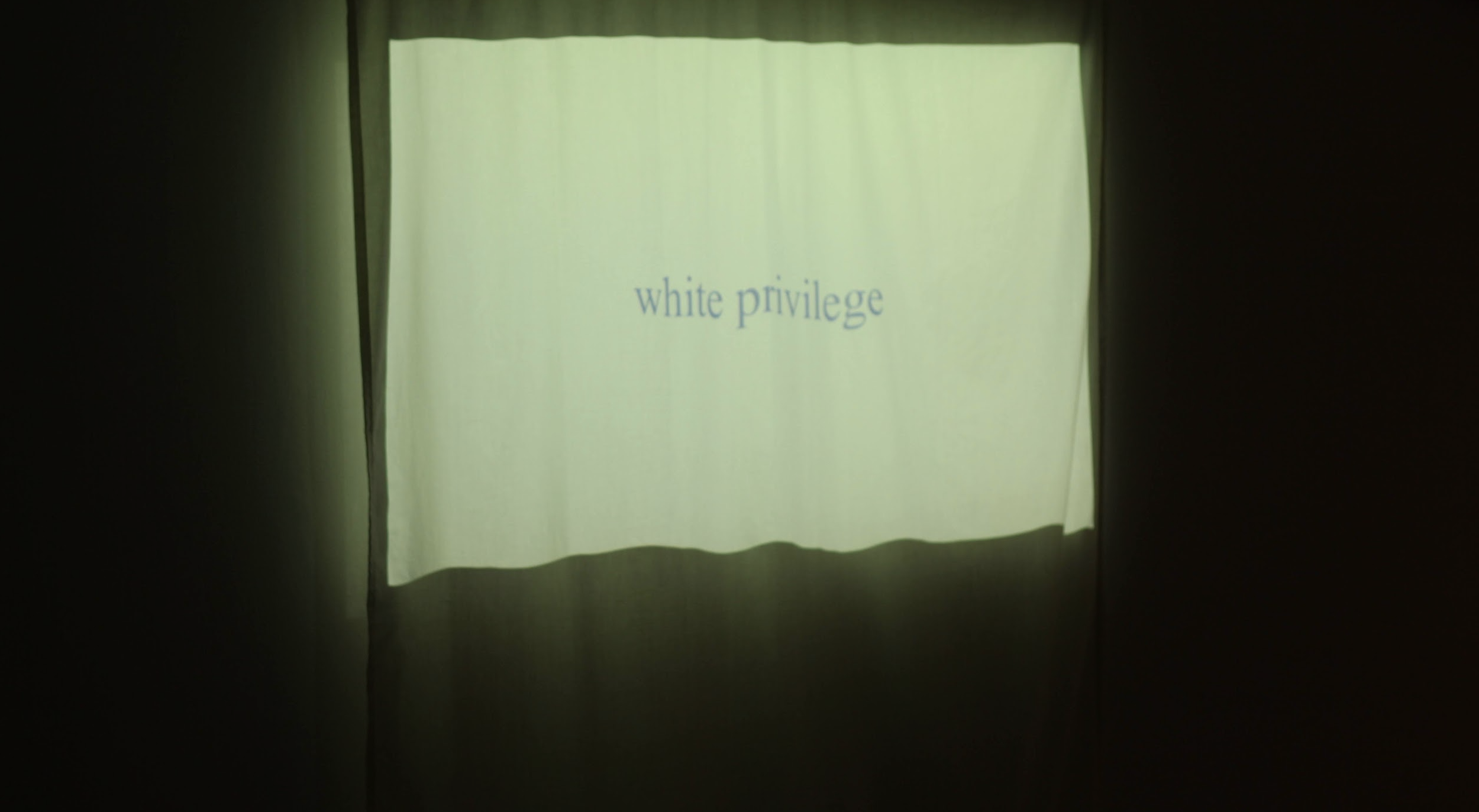
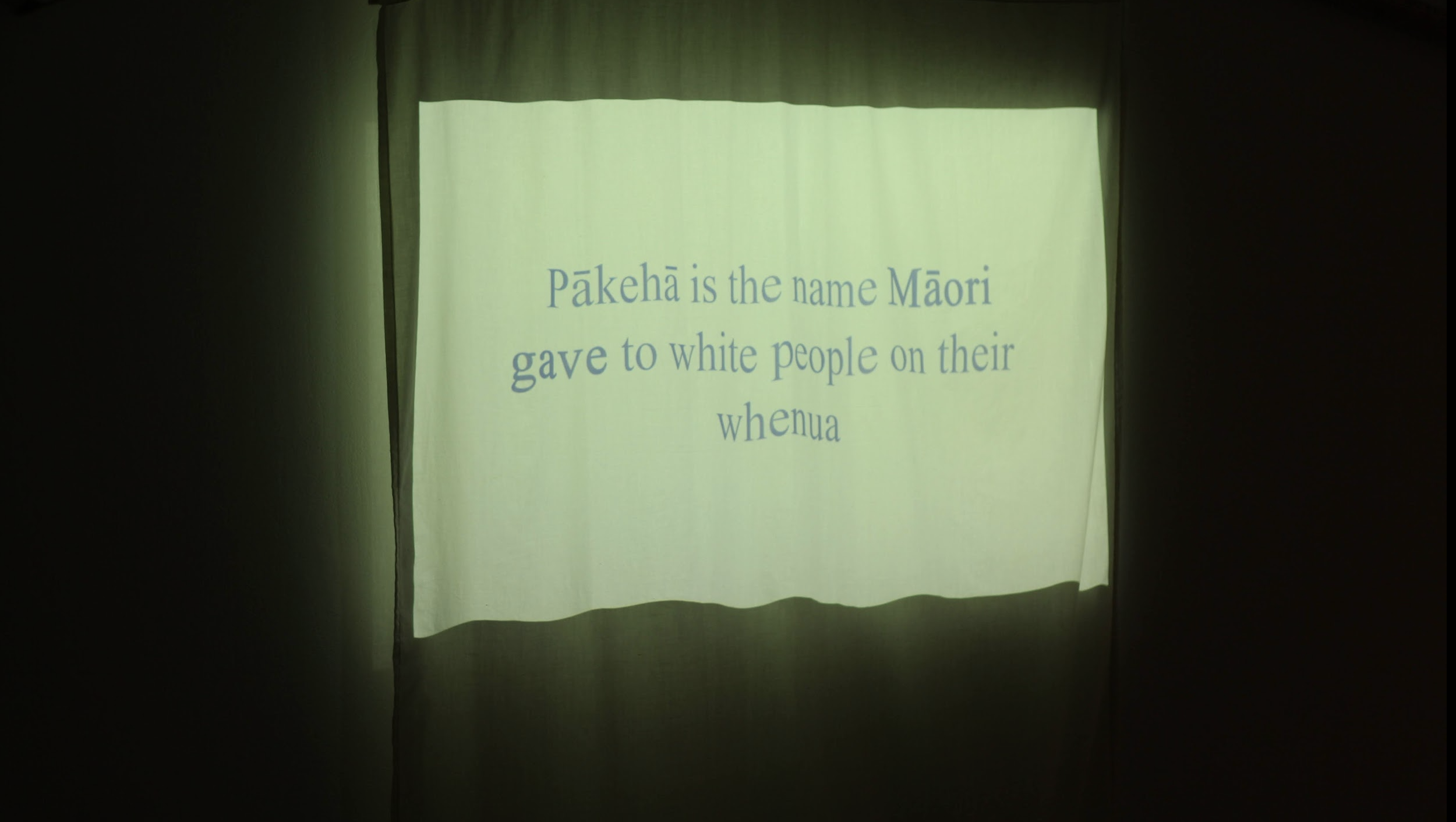
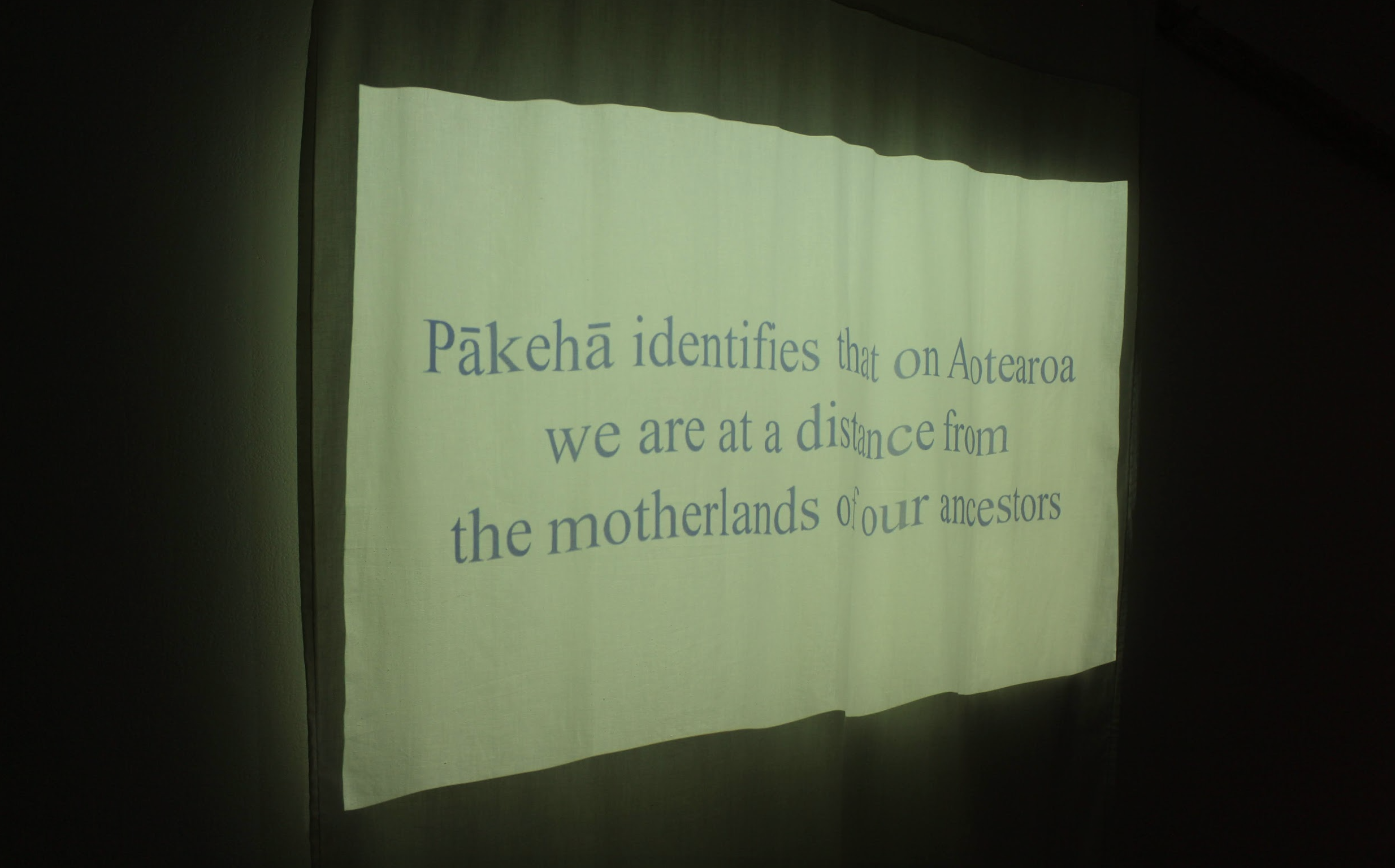
‘Whiteness and Pākehā’ Text based video displayed on white flag. 2022
Toi Pōneke Gallery. 2022