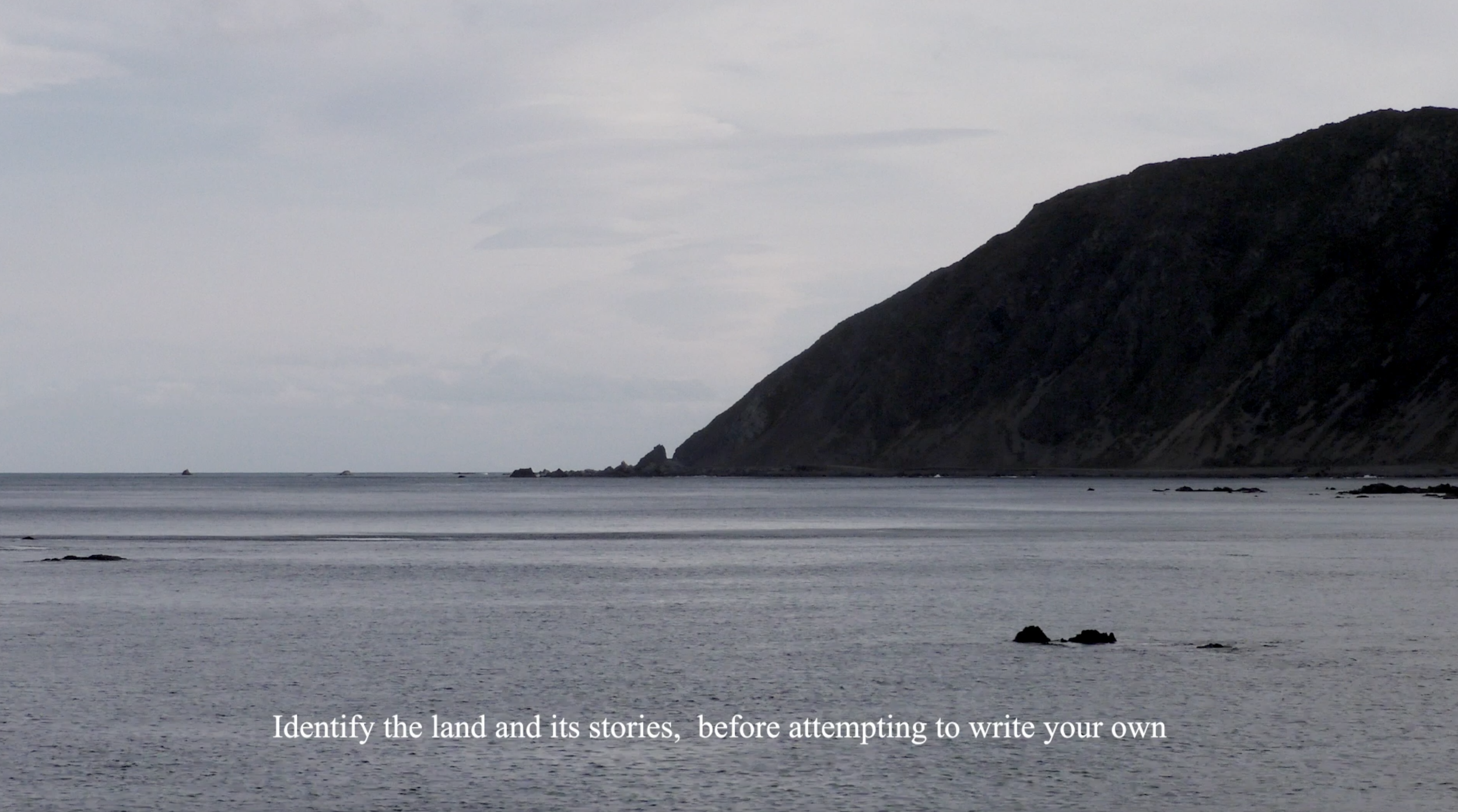
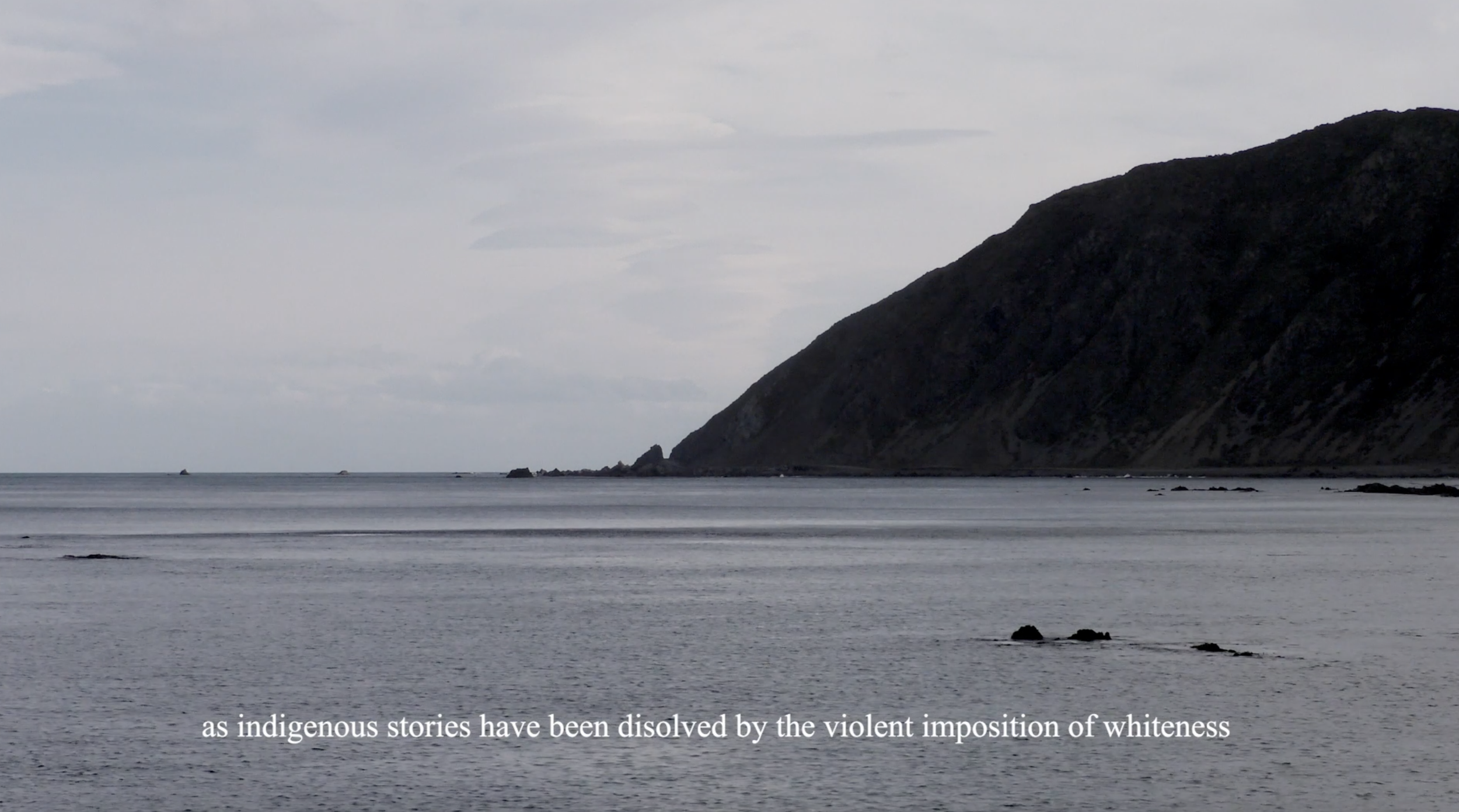

‘I’ visit Pariwhero
Notes: In being Pākehā we have a responsibility to ourselves and Te Tiriti o Waitangi to learn what our colonial history raised us to forget; and in doing so, becoming the better counterparts that Te Tiriti intended. Diana Amundsen writes on “Pākehā identity as a political act. If it is such, the Pākehā cannot ignore a moral obligation and purpose to engage with Māori for the purpose of decolonisation and reconciliation.” (Amundsen.146) In my work I, visit Pariwhero I address the importance of understanding and re-learning names, for myself as Pākehā, and the reo name for Red Rocks ‘Pariwhero’.
In this work I see a connection between my appreciation of being given the name Pākehā and my small contribution of offering visibility to the indigenous name Pariwhero
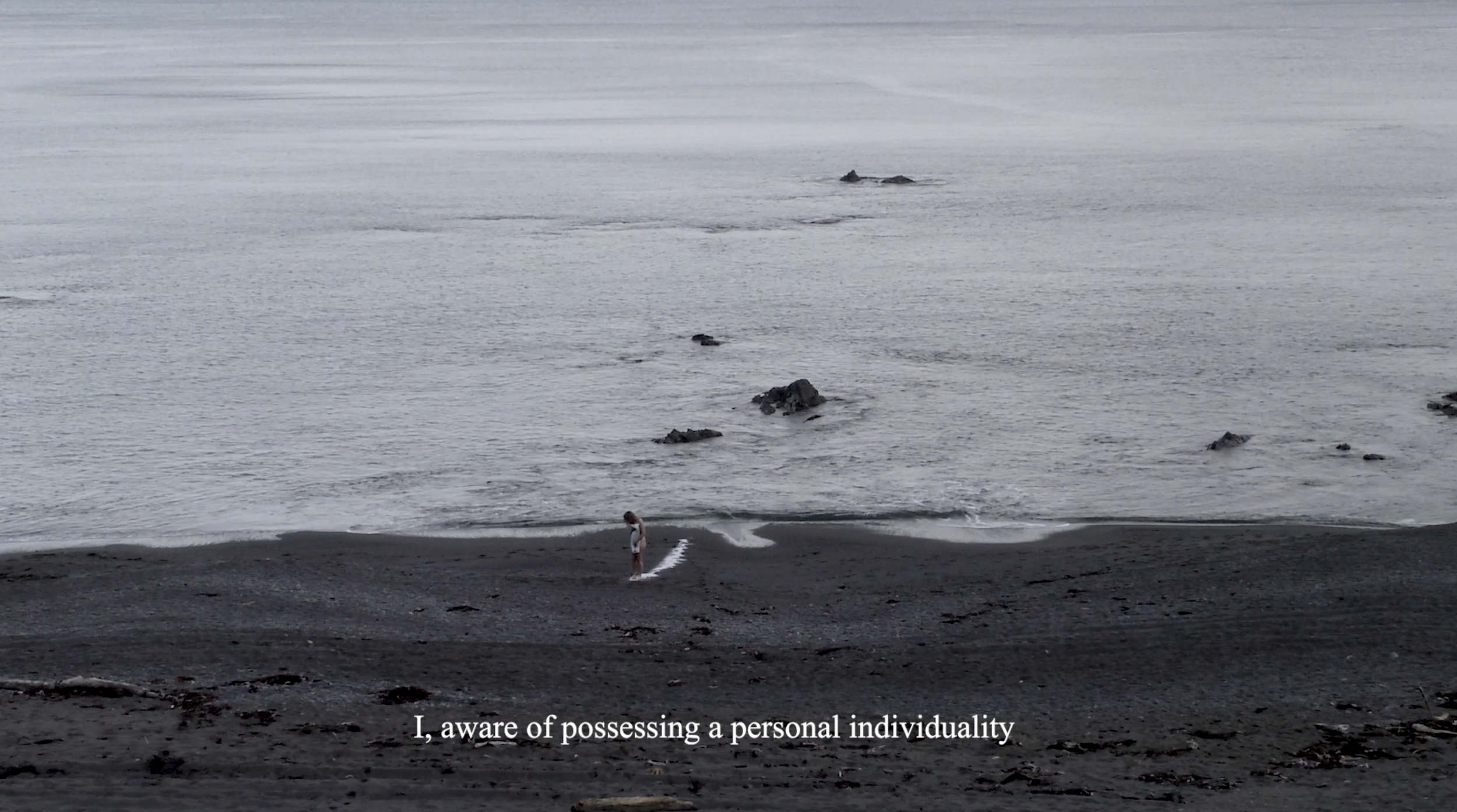
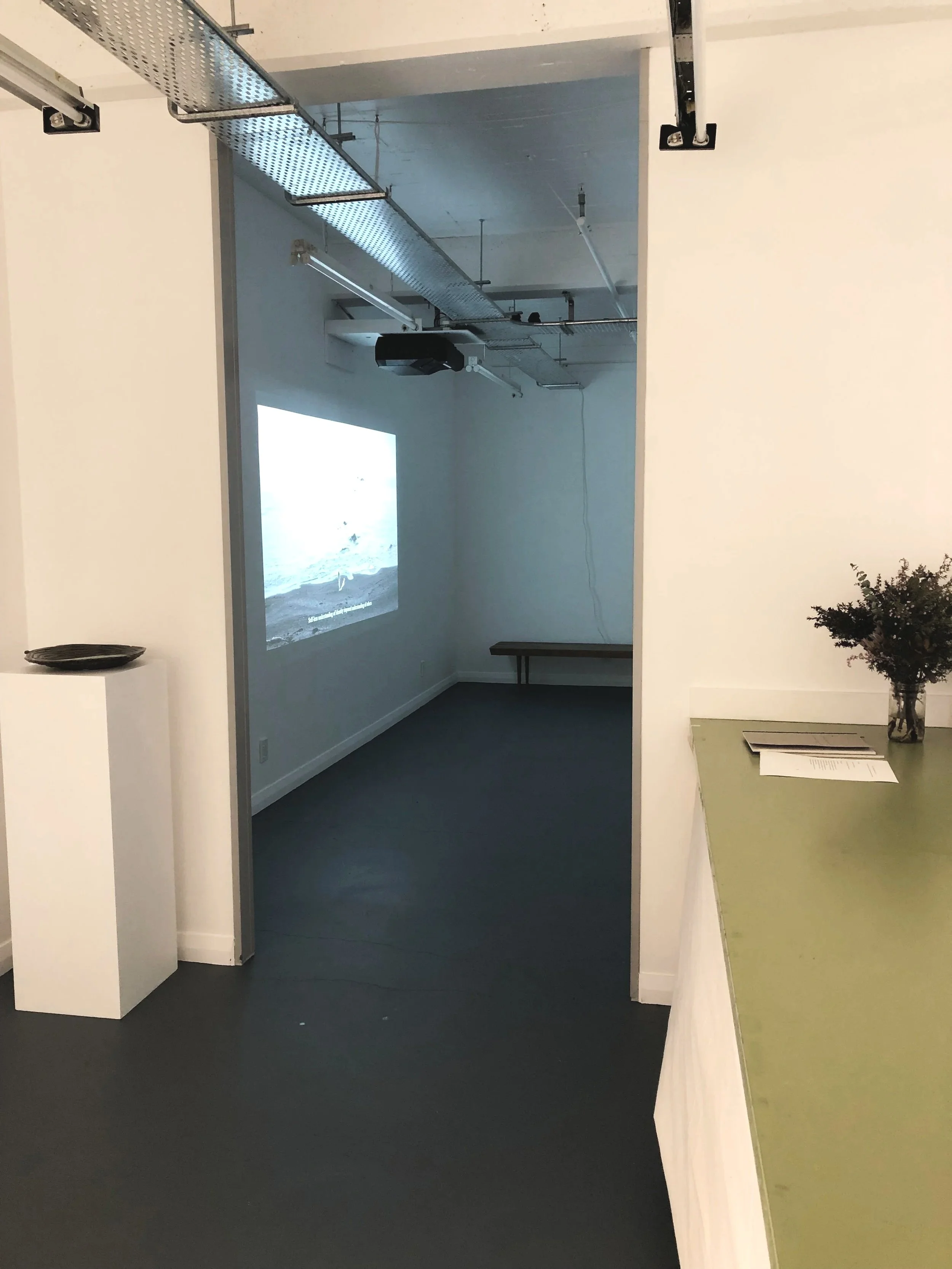
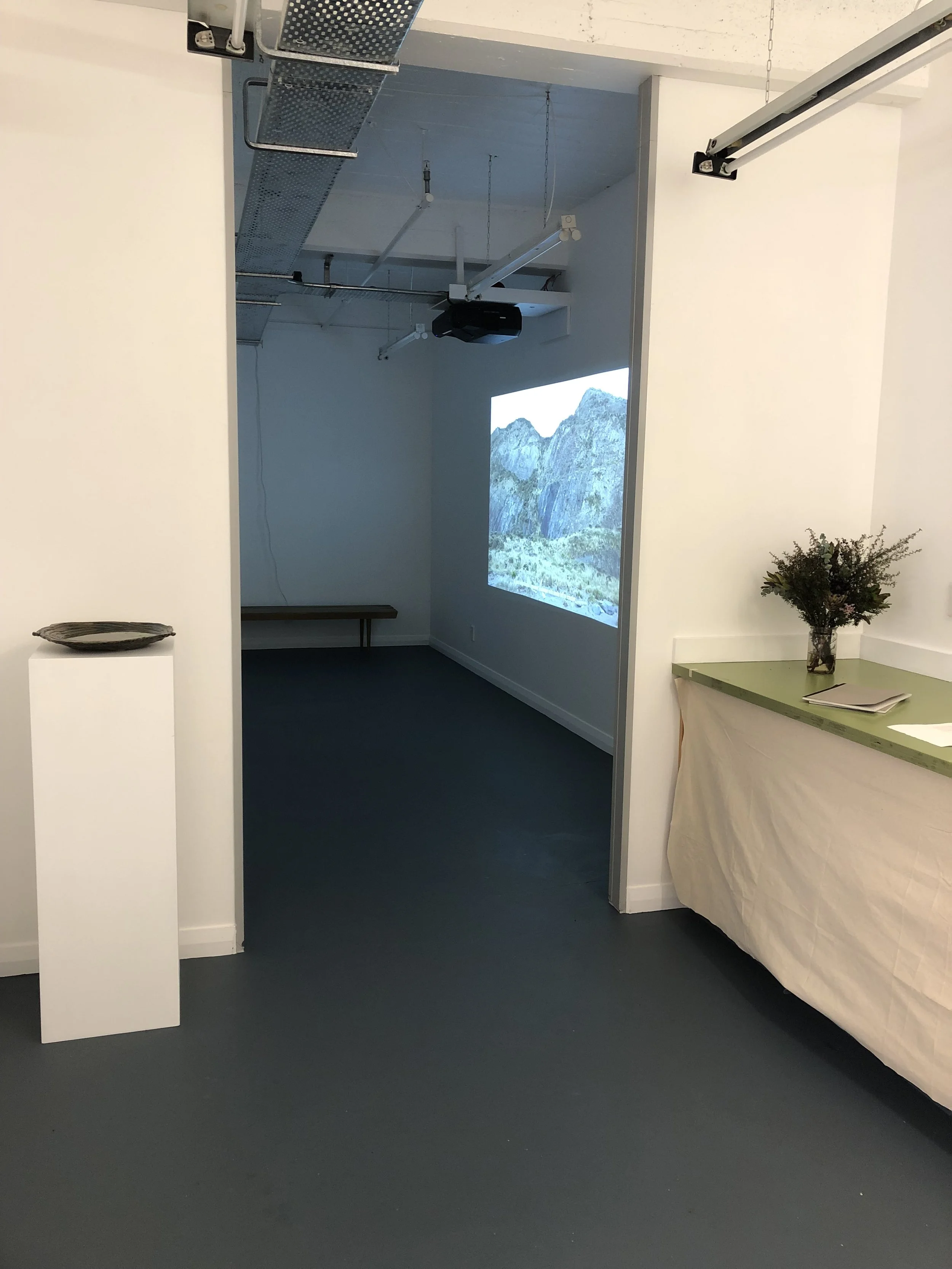
In this video performance, I draw a long line of white salt on the whenua, illustrating an arrival from the sea, drawn up to my presence at the end of the line. This work was acknowledging the ‘loss’ of knowing my own genealogy, the disconnect from my story of arrival and straight into the dominant white line painting ‘I’ on the whenua. Standing at the end of the white line, I felt the ignorance, and isolating feeling of ‘forgotten history’ being washed away by the sea. When I looked at the whenua I felt overwhelmed by its presence but I knew it well. I knew its name, its people, and my own name. I understood myself in relation to the land.
Many Pākehā have been apathetic toward educating themselves as to what a Pākehā identity is, and furthermore the political agency and life this identity has. Identifying as Pākehā is engaging with te reo Māori and Māori. When I personally realised this, the sense of place and identity within me felt relieved. I felt I understood my connection and proximity to Māori as a Te Tiriti reality.
Work exhibited as part of The New Zealand Portrait Gallery show Autonomous Bodies 2022 Curated by Gina Mattchitt.
2022